
Foreign flags in Copacabana
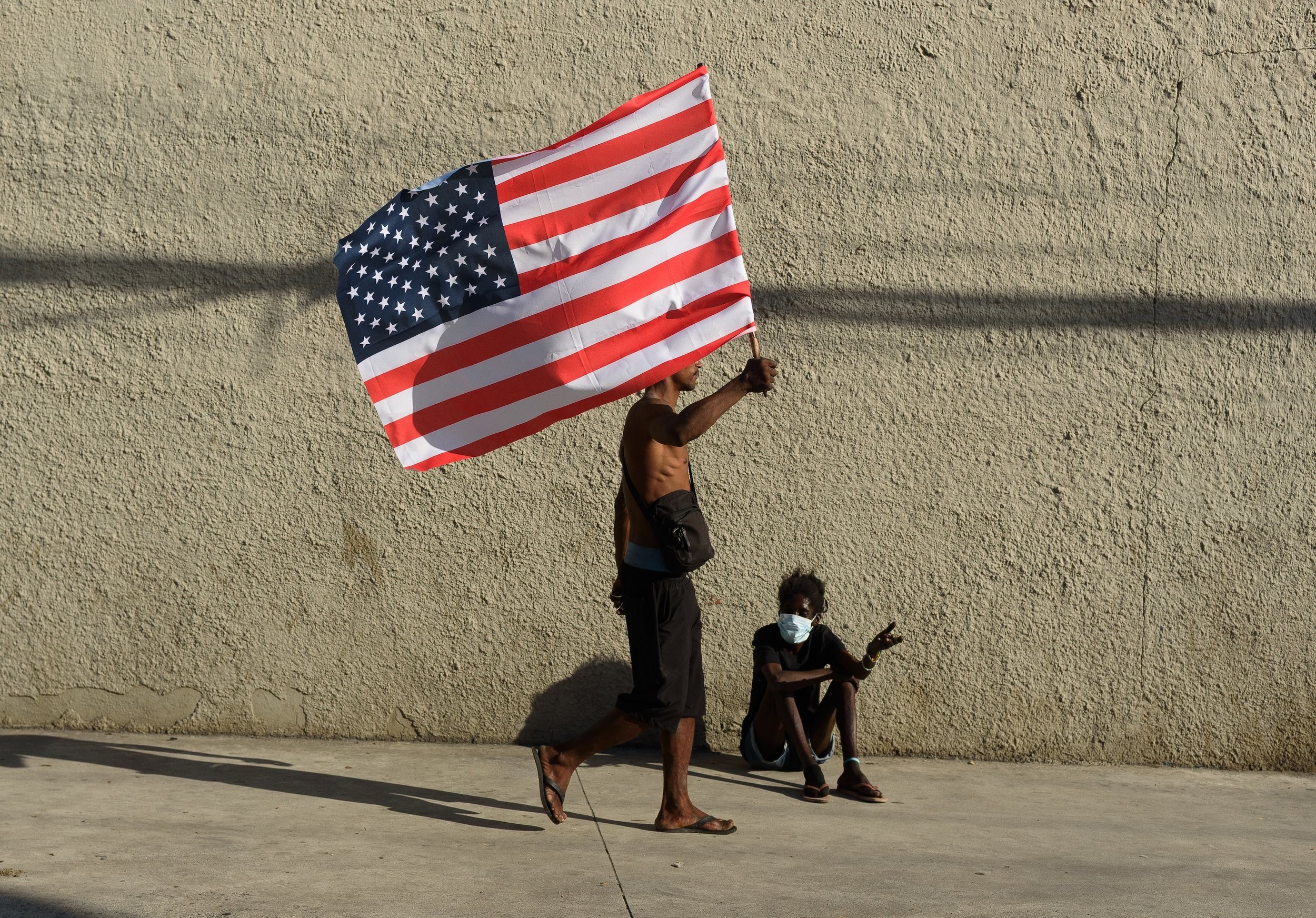
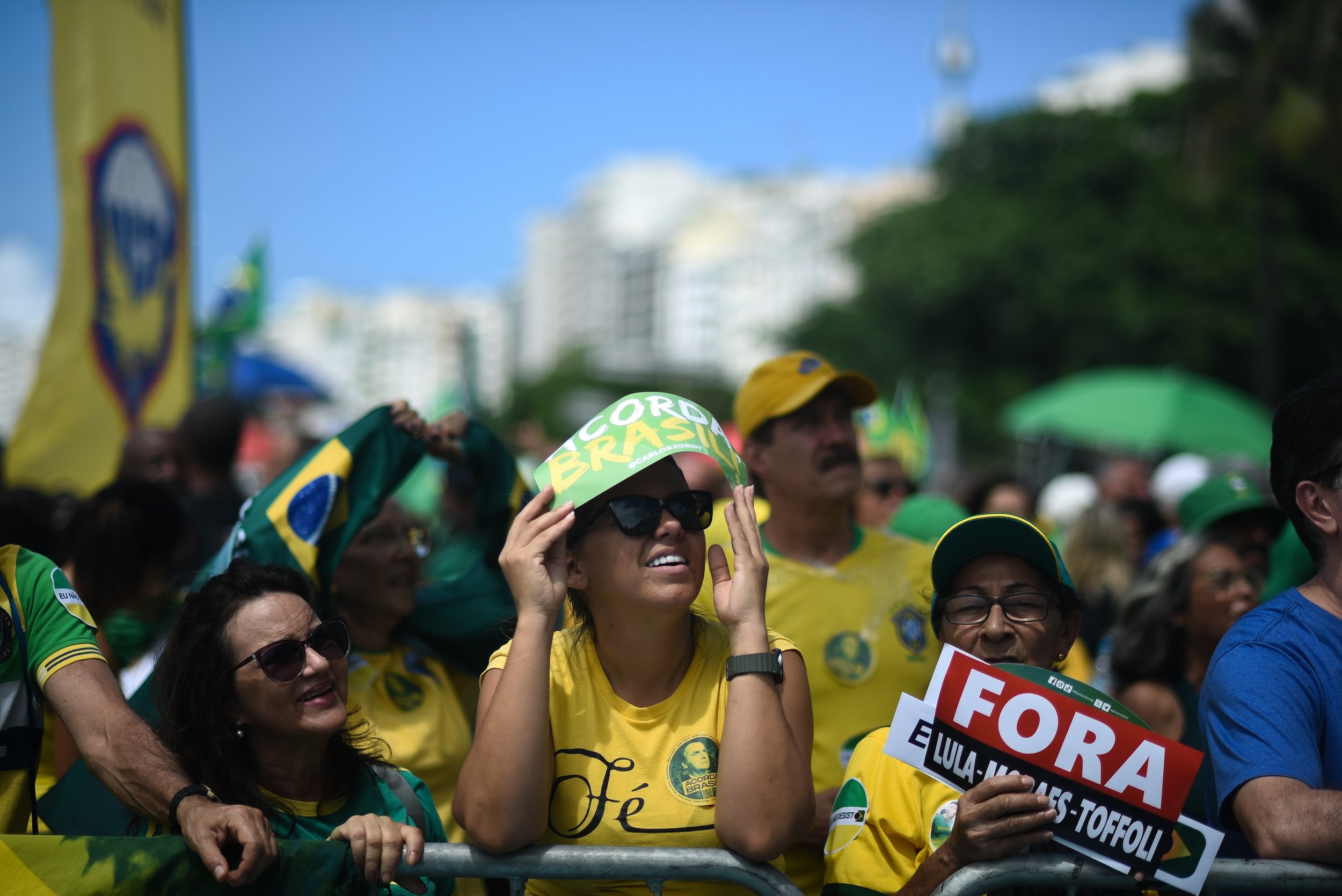
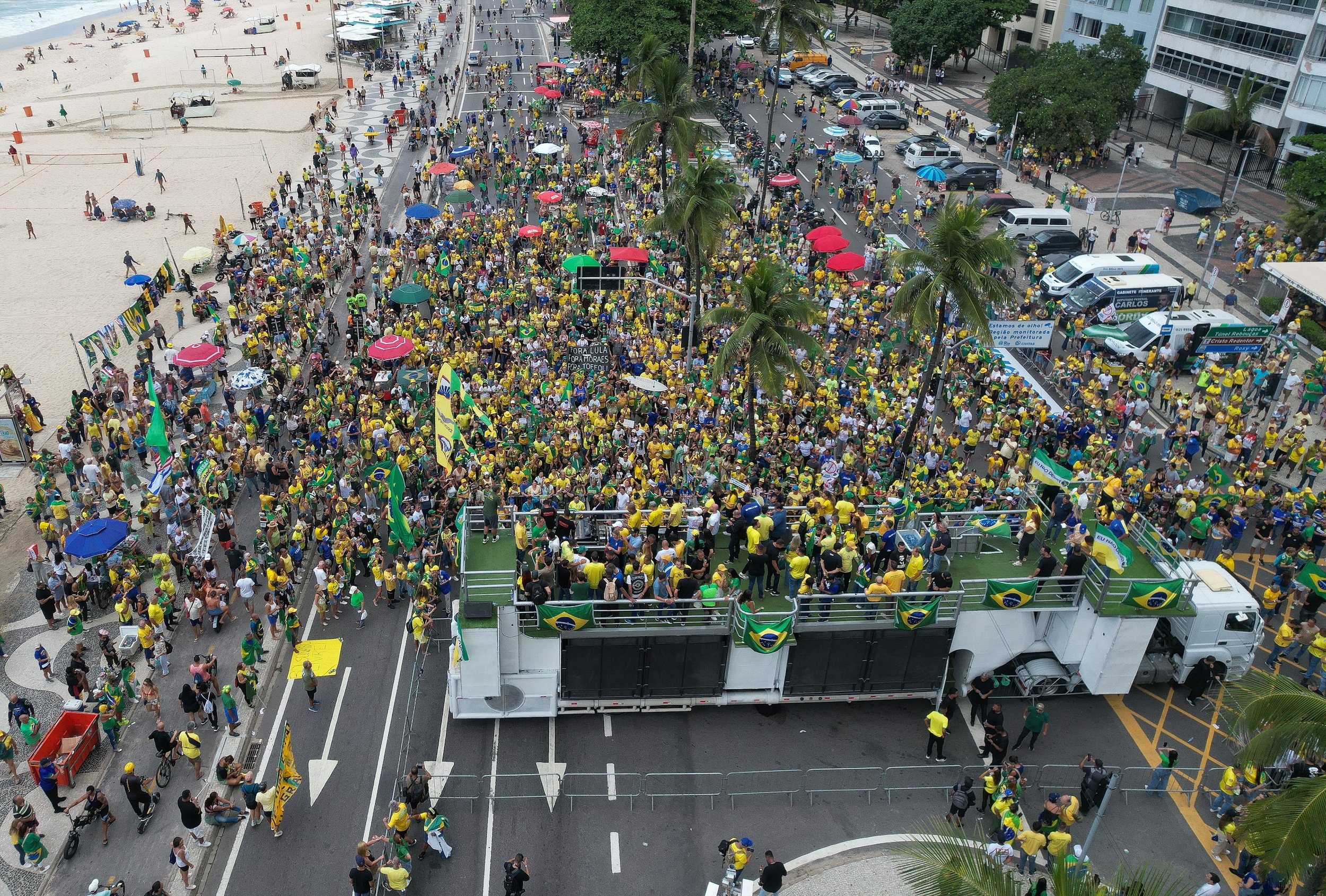
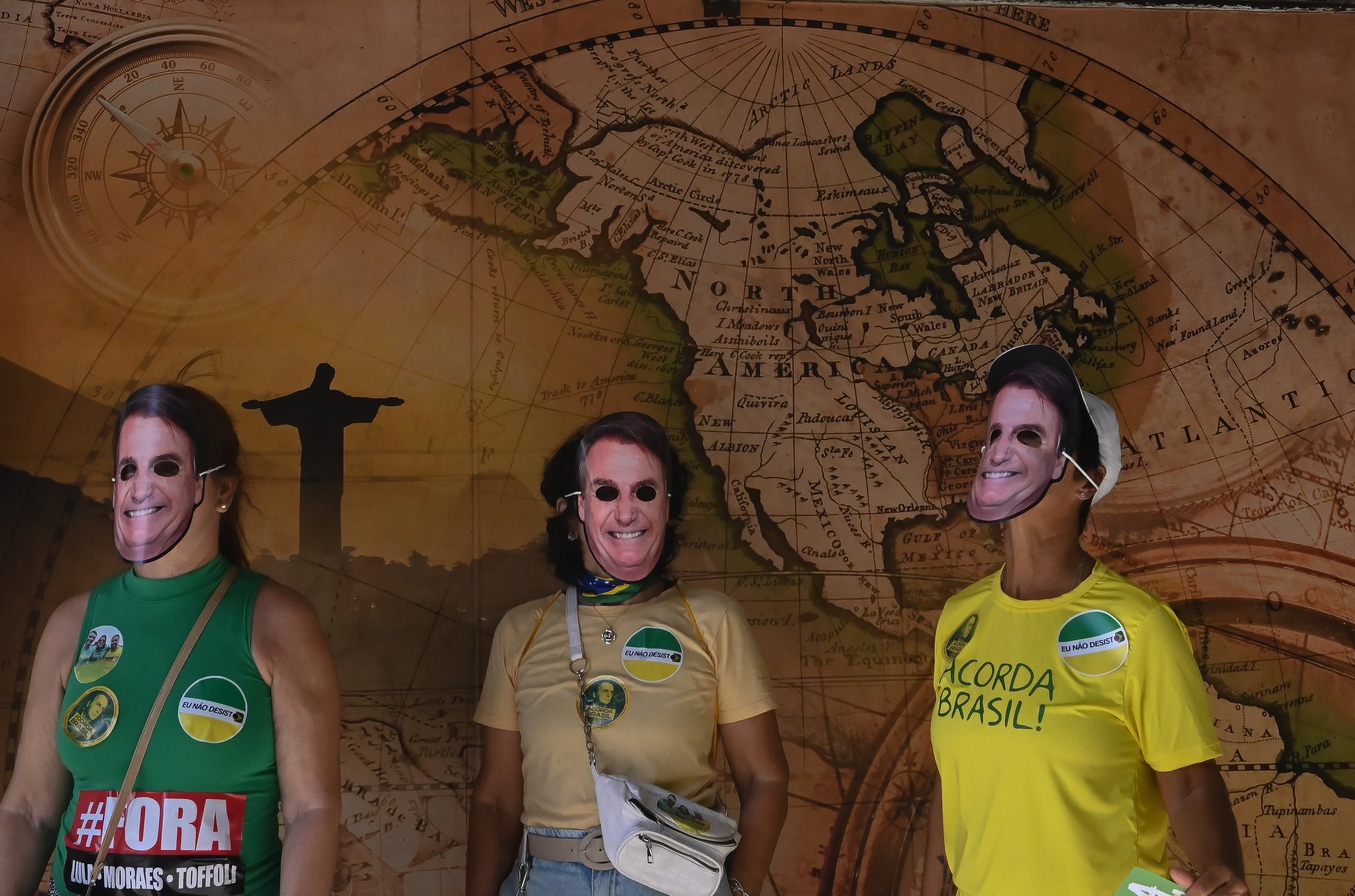
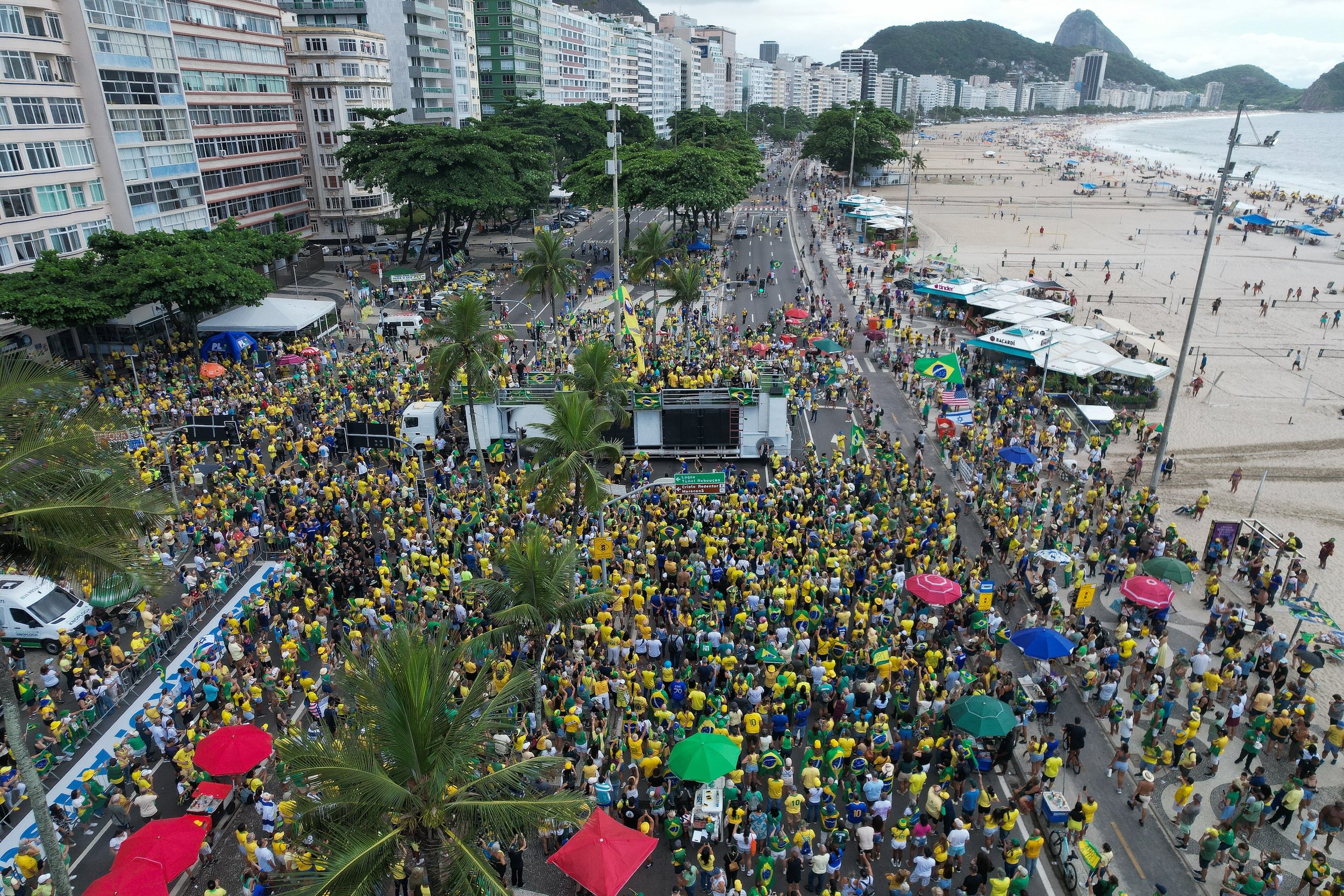
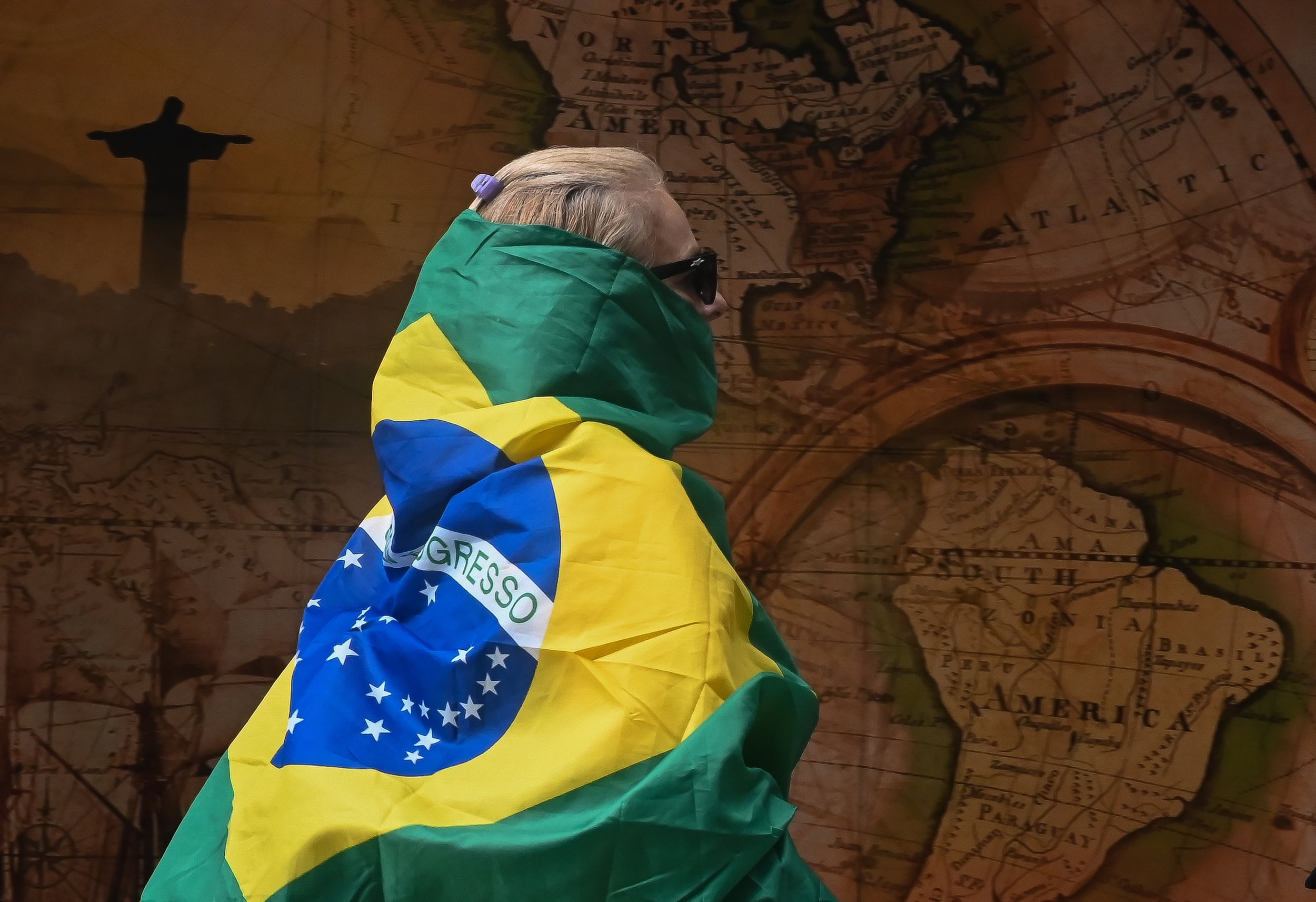
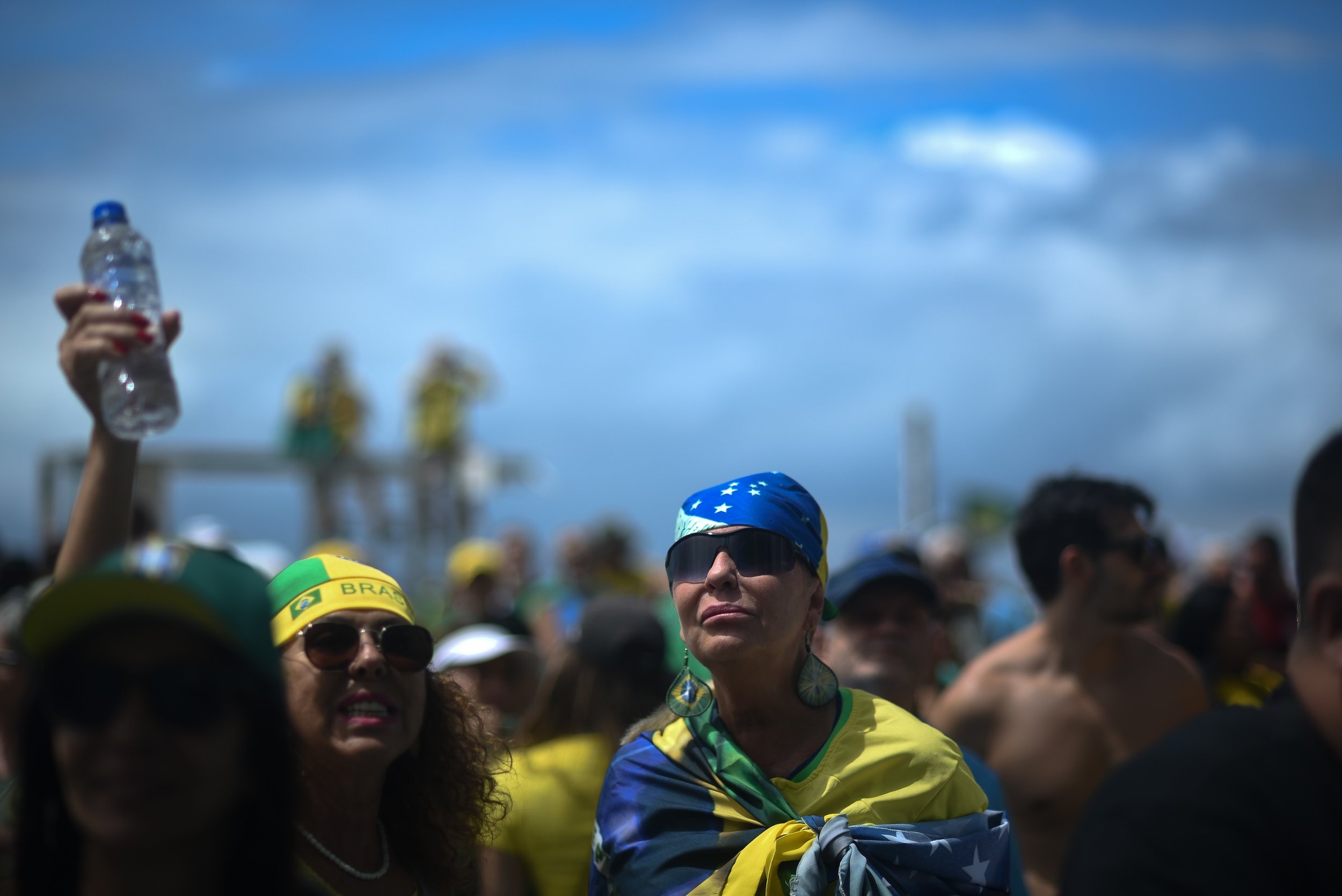
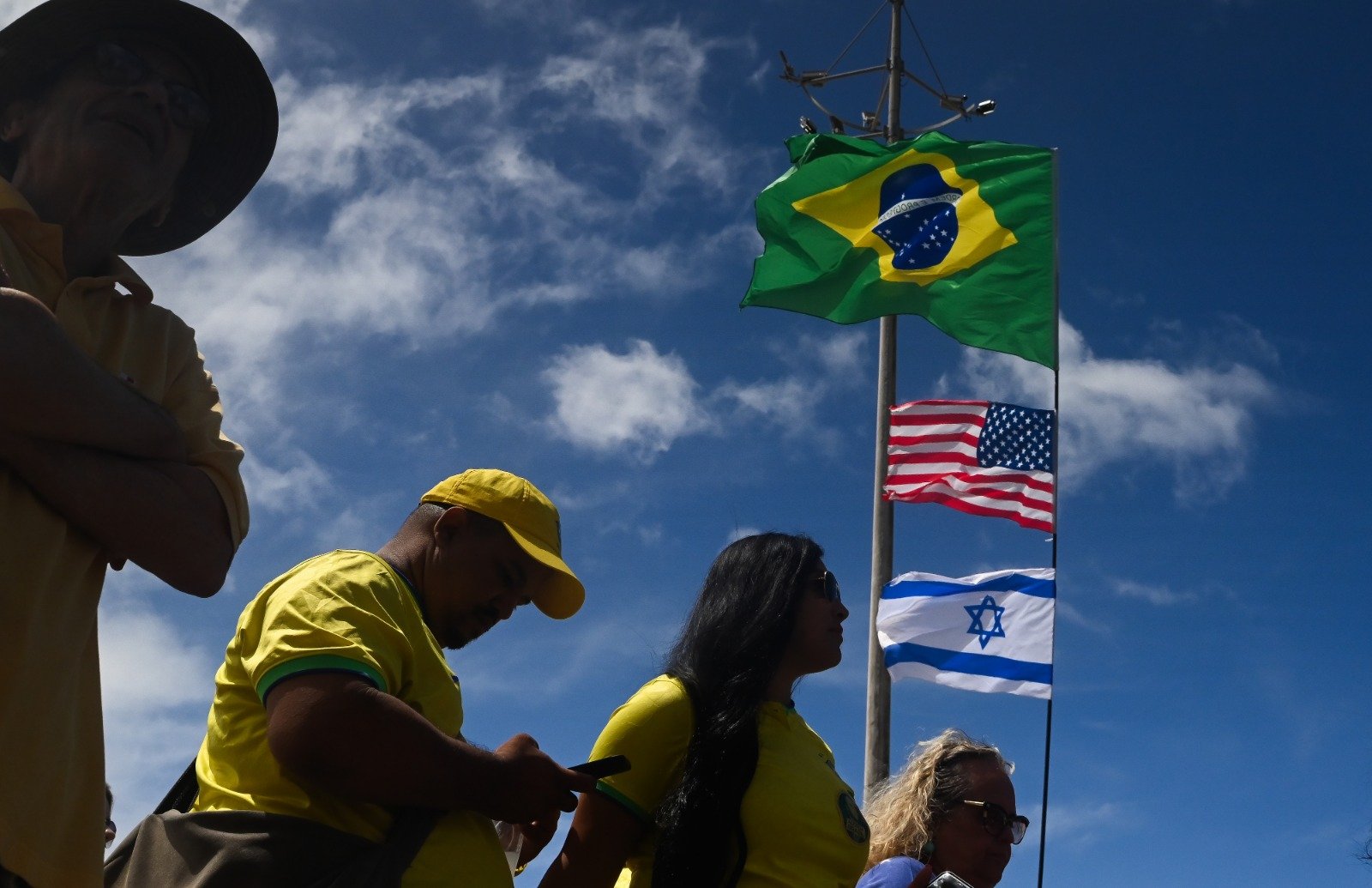
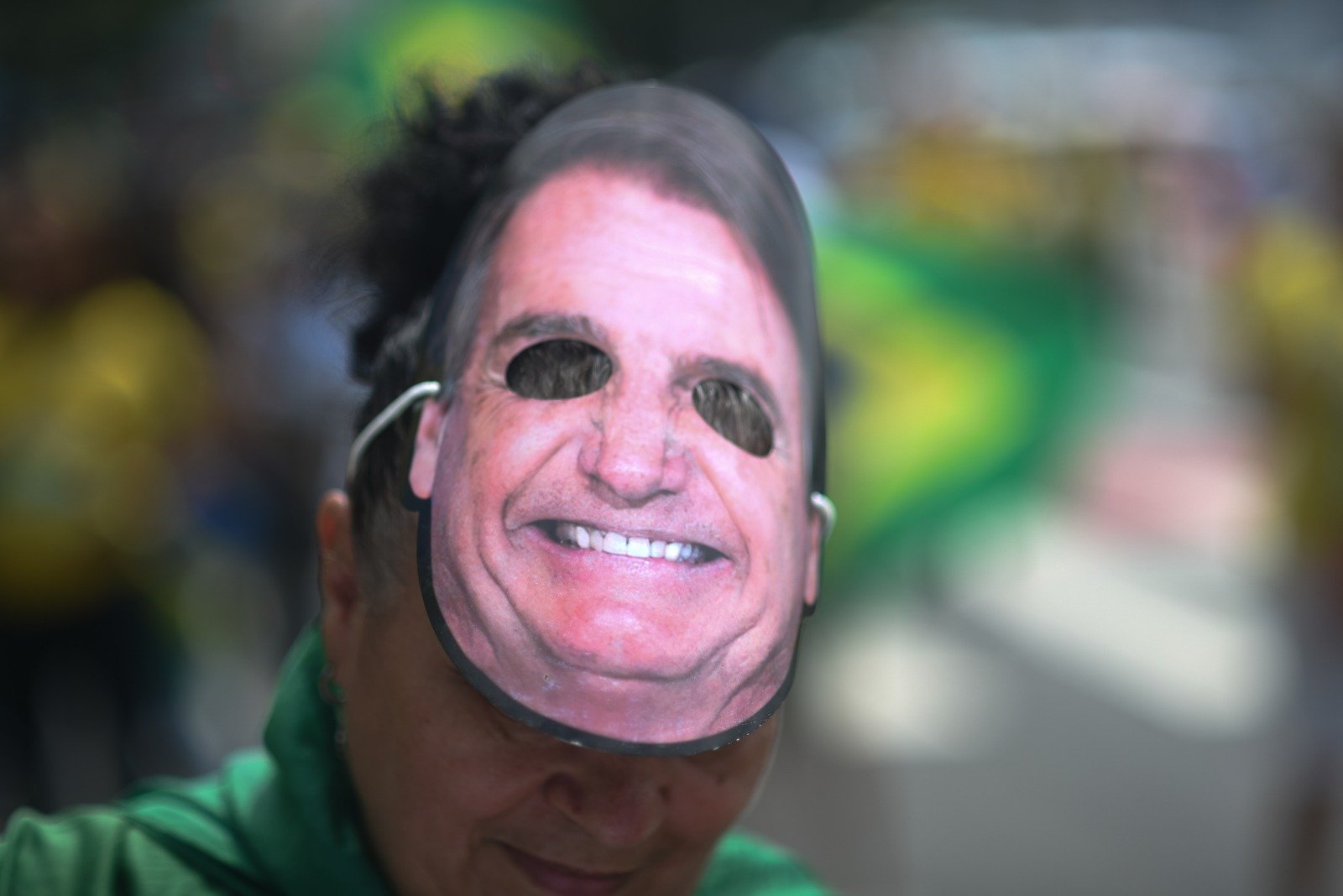
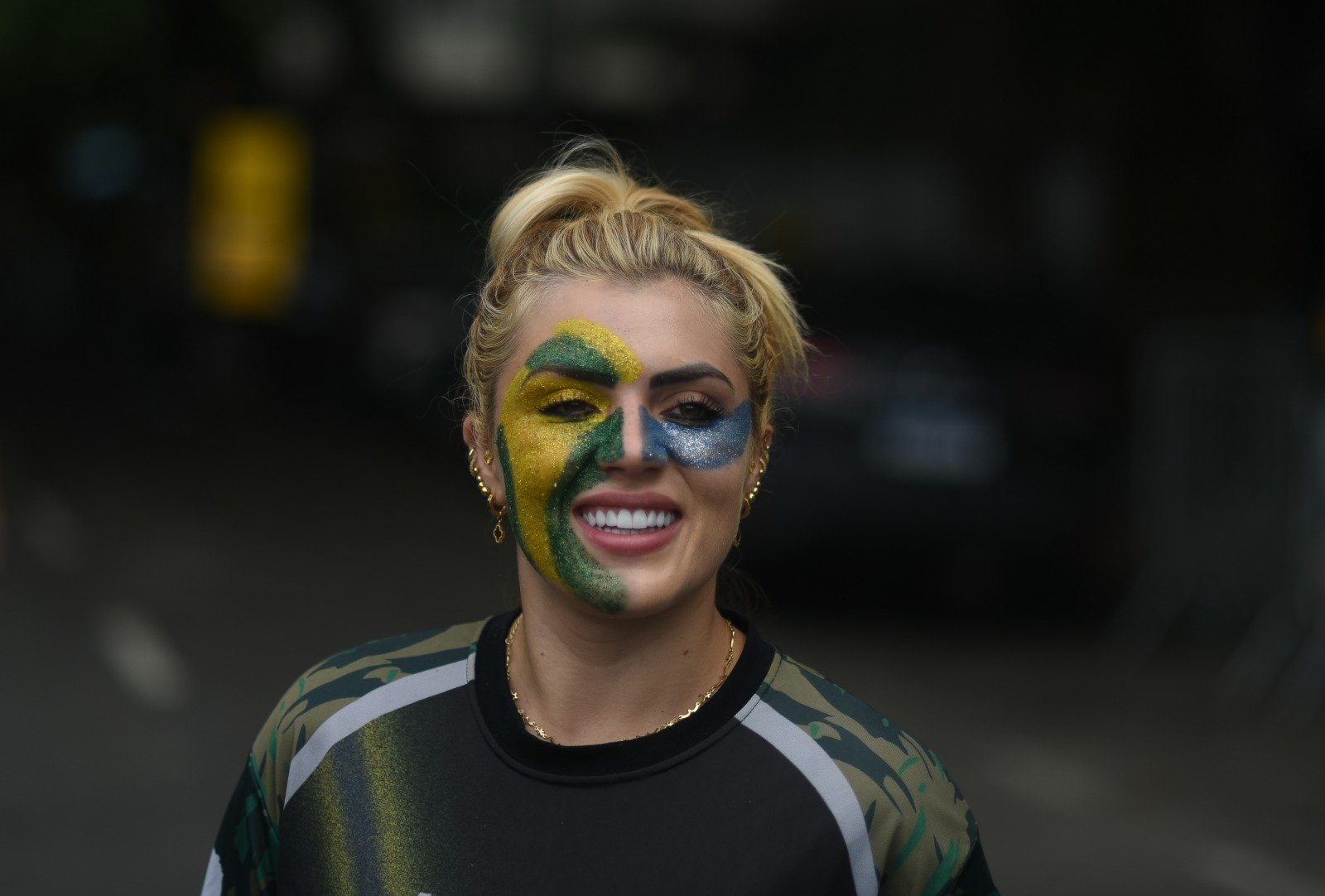
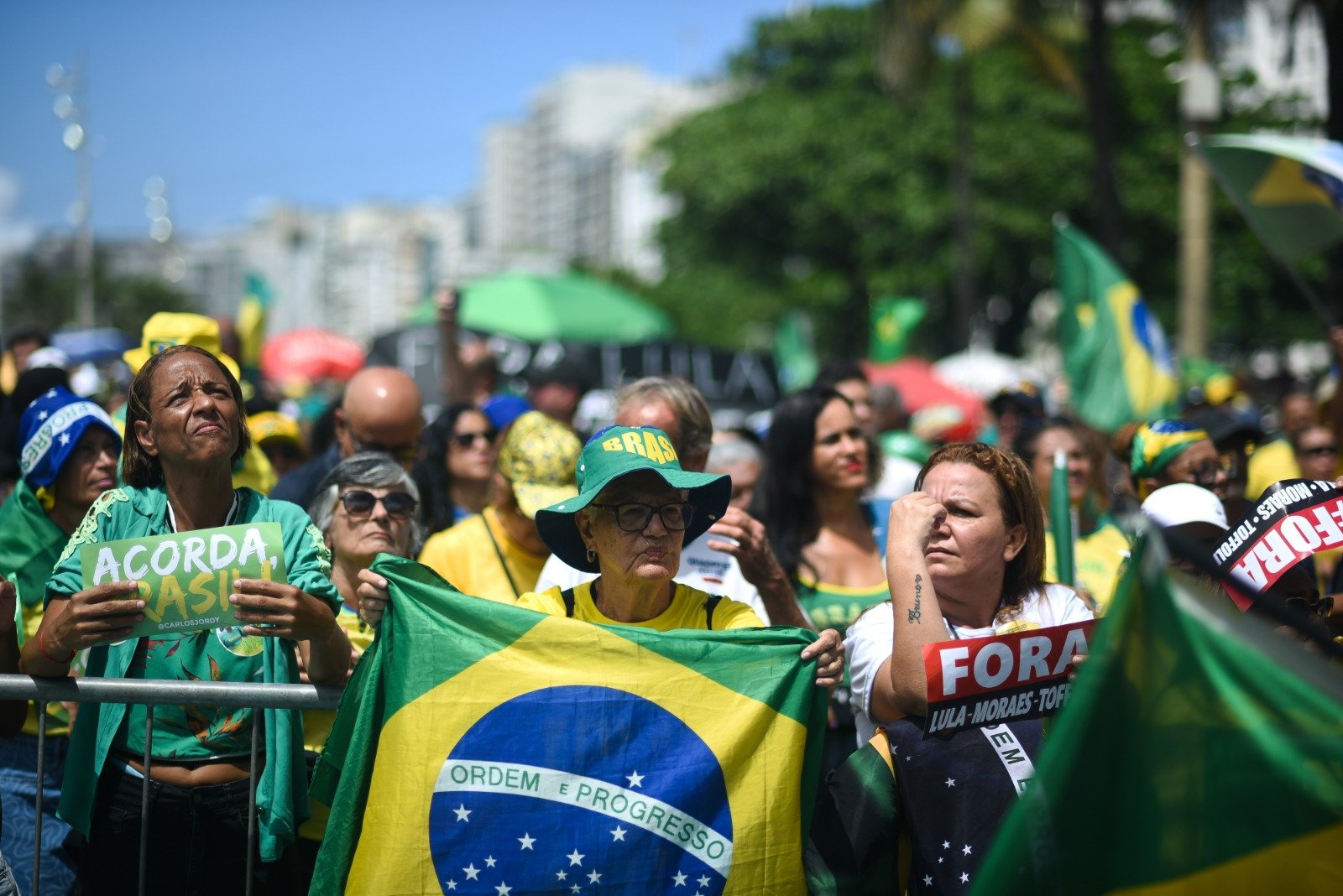
The day after the assassination of the Ayatollah of Iran, the “Wake Up Brazil” demonstration, scattered with flags of the United States and Israel, took over parts of Copacabana and other streets across major Brazilian cities. On Sunday, March 1, 2026, the group of demonstrators gathered at the corner of Avenida Atlântica and Rua Bolivar to protest against the federal government and certain ministers. While the foreign flags are not directly related to the protest’s agenda, they are used as ideological symbols of international alignment, and this alignment also occurs at the financial level.
Called for by right-wing leaders and heavily publicized on social media, the demonstration brought together supporters of former President Jair Bolsonaro, and its central agenda was criticism of Lula’s government and calls for amnesty for those involved in the January 8 attacks. The turnout in Rio was relatively small, especially when compared to the request for authorization to block traffic made by the organization to the municipal government. The Official Gazette of Rio reports the closure of the entire beach due to a gathering that turned out to be of around 4,700 people between Rua Bolívar and Barão de Ipanema.
Councilman Rafael Satiê formalized the request to close streets to enable the demonstration in Copacabana on a scale that indicates an expectation of a large audience, with extensive road closures for an extended period. His political activity aligns with the evangelical field, as he presents himself as a pastor, although he does not disclose which church he belongs to. However, he has already demonstrated public closeness to the Universal Church of the Kingdom of God, defending its events and positioning himself against criticism of the institution. The Universal Church, in turn, has a history of allegations of money laundering and tax evasion investigated by authorities in Brazil and abroad, with accusations of using multi-billion-dollar donations from the faithful in complex financial schemes.
This framing takes on a more explicit political contour when one observes that, on the eve of the event, he posted on social media that the Ayatollah had been righteously “slaughtered,” a term loaded with dehumanization. At the same time, he celebrated the actions of the United States and Israel, connecting their institutional role in organizing public space to a clear political-ideological positioning in the international debate. In other words, these international flags reveal the presence of transnational networks of ideas and funding that have permeated Brazilian politics for decades.
Think tanks and the global influence machine
The United States possesses the largest intelligence structure in the world. It comprises nearly two dozen agencies, including the CIA, and operates with an annual budget exceeding US$70 billion. Since the Cold War, declassified documents show that these structures have been used not only for traditional espionage but also for political influence operations in countries considered strategic.
Latin America occupies an important place in this history. Direct or indirect interventions by the United States in countries such as Chile, Guatemala, Nicaragua, and Brazil, especially during the 20th century, have been extensively documented. The case of the Brazilian coup is now seen as blatant, but even it was only confirmed by documents released decades later.
In the 21st century, the methods have modernized. International political influence does not always manifest itself in coups or clandestine operations. It usually operates through networks of institutions, foundations, think tanks, and civil organizations.
One of the main international networks of this type is the Atlas Network, an organization based in Washington that connects more than 500 think tanks in about 100 countries. Founded in 1981 by British businessman Antony Fisher, it aims to promote public policies related to market economies, reduced state intervention, and economic liberalization. The organization provides funding, training, scholarships, and educational programs to partner institutions worldwide.
In Brazil, one of the organizations associated with this network is the Millenium Institute, created in 2005 by, among others, Paulo Guedes, former minister of finance under Bolsonaro. The institute presents itself as a study center focused on promoting economic freedom, fiscal responsibility, and liberal democracy. Its activities include publishing articles and analyses, organizing events and debates, producing institutional videos, and political training programs for young political leaders.
Think tanks rarely survive solely on individual donations. They depend on institutional funding, often coming from companies, foundations, or international organizations. Like other think tanks, the Millenium Institute does not provide financial returns to those who invest in it, at least not directly. Its goal is to influence public policies in Brazil, and the implementation of these policies can be profitable in the long term, offering a good return on investment for a foreign entity such as the United States government.
Files from the Millenium Institute indicate financial support from the financial management arm of Bank of America. (Some of these pages have since been removed.)
Bank of America, in turn, maintains a long-standing partnership with BlackRock, now considered the largest asset manager on the planet, with trillions of dollars under its purview. Tom Montag, former president of Bank of America, served on BlackRock’s board of directors while working at BofA. Meanwhile, about 2 years after Merrill Lynch “joined forces” with BlackRock, it was acquired by BofA.
BlackRock also maintains close relationships with the United States government and the CIA. During the 2008 financial crisis and the 2020 pandemic, the company was hired by the Federal Reserve to manage asset purchase programs aimed at stabilizing markets. And several company executives have moved between positions in the private sector and positions in the US government, a phenomenon known in Washington as a “revolving door.” Thomas E. Donilon is one of these executives. As BlackRock’s vice president, he was a member of the CIA’s board of directors for almost a decade and is also a member of the board of a think tank called the Council on Foreign Relations.
There is an argument to be made that this does not mean that there is any coordination between companies, think tanks, and intelligence agencies. But a trail indicates that the institutional networks connecting global finance, public policy, and intellectual production are dense and interconnected. It is not surprising that this revolving door phenomenon generates concern, as it shows that these career incentives between the public and private sectors can shape political choices even without explicit corruption. Favors for future employers and legislative influence through former colleagues create an environment conducive to conflicts of interest.
This is the core of the Economic Theory of Regulation: Through this revolving door, regulatory agencies begin to serve the interests of the industries that should be regulated, instead of the interests of the public. Paulo Guedes, founder of the Millennium Institute, is a perfect example of this, having served in public office as a minister, created banks and investment management companies, as well as one of the main liberal think tanks in Brazil.
The ecosystem of mobilization
While think tanks produce ideas and train political cadres, another type of organization is active in street mobilization. In Brazil, the NasRuas movement is one of these groups. Created during the political mobilizations of the past decade, the movement gained notoriety by organizing protests against the Dilma Rousseff government and later participating in successful pro-impeachment campaigns. Groups like this applied strategies inspired by US political campaigns, including the intensive use of social networks, targeted digital advertising, production of viral political content, and coordination with influencers and ideological pages.
A recurring characteristic of these movements is diffuse funding. The Brasil NasRuas association, for example, does not disclose in detail the origin of all its donors or the amounts raised for specific campaigns. This lack of transparency led the movement to appear in judicial investigations such as Inquiry 4828 of the Supreme Federal Court, where Minister Alexandre de Moraes authorized a series of inspections to investigate the organization and financing of demonstrations considered anti-democratic. The result revealed the potential of “the existence of a fully structured virtual communication network aimed at both the sectarianization of politics and the destabilization of the democratic regime to obtain direct economic and indirect political gains.”
Carla Zambelli, founder of the NasRuas Association, and Paulo Guedes, founder of the Millennium Institute, were linked mainly because they were part of the same political project during the Bolsonaro government, in which Guedes was responsible for economic policy and Zambelli acted as an ally in Congress supporting this agenda. She was investigated for committing several crimes, including money laundering through the Association she created, NasRuas, and is currently in prison.
This ecosystem typically operates on three levels. At the top are financial institutions, foundations, and international networks that support intellectual and educational projects. In the middle are think tanks, responsible for producing content, research, and political training programs. At the base are digital mobilization movements and street organizations, which transform these ideas into public campaigns, protests, and political pressure. There is not always explicit coordination between these layers. But they often share networks for funding, training, and the circulation of ideas.
Given this scenario, the presence of foreign flags in Brazilian political demonstrations takes on another meaning. It represents cultural admiration, ideological alignment, or geopolitical identification. But it can also indicate the existence of an international network of political narratives and funding that crosses national borders. In the March 1st protest in Copacabana, this symbol appeared literally. Perhaps it was just a spontaneous gesture. Perhaps it was a sign of something bigger.
We live at the mercy of the largest, most influential, technologically advanced, and well-funded intelligence and covert operations infrastructure in the history of the world. In this context where ideas and money circulate globally with the same speed as memes on social media, believing that Brazilian politics exists in isolation from these networks may be, at the very least, a little naive.
In any case, it is curious that a mobilization surrounded by international flags and neoliberal speeches ends up leaving as an online trail its “official” crowdfunding campaign, created almost 6 months before the event, whose URL still announces that “Bob, the dog, needs surgery” because “he was run over.”
Mirna Wabi-Sabi

Mirna is a Brazilian writer, editor at Sul Books and founder of Plataforma9. She is the author of the book Anarcho-transcreation and producer of several other titles under the P9 press.