
Between Bolsonarism, “caviar leftism,” and the fantasy of distancing oneself from poverty.
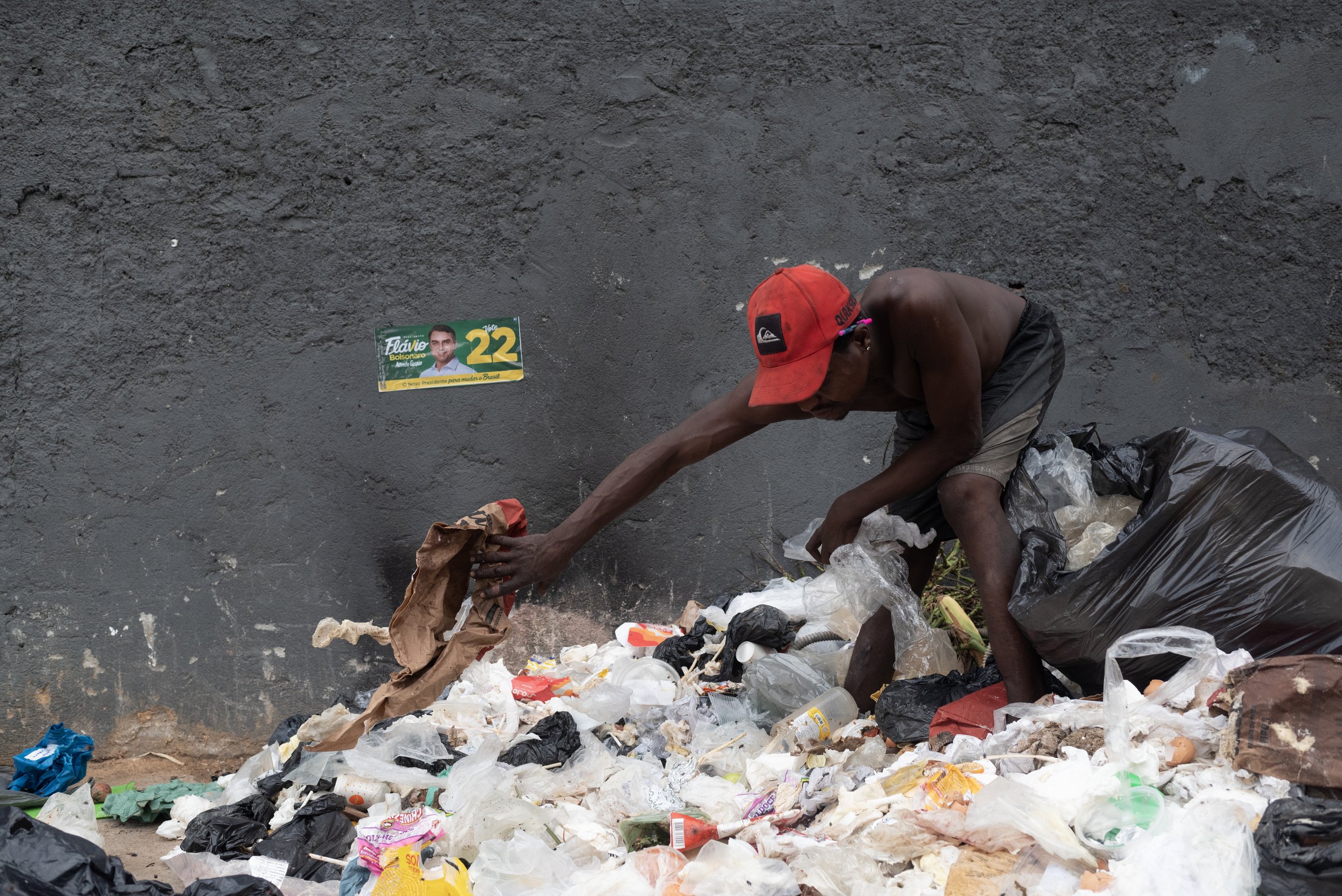

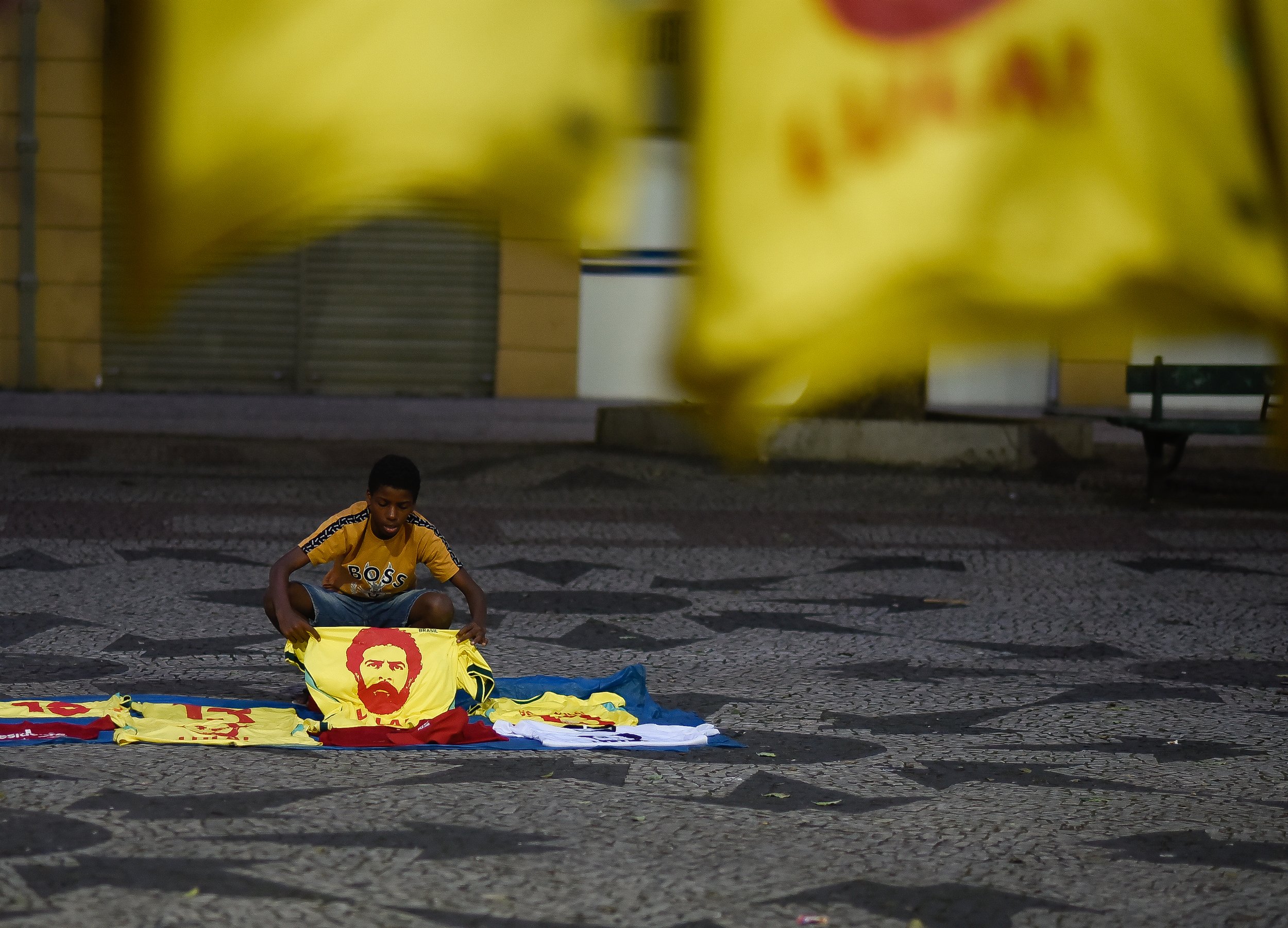
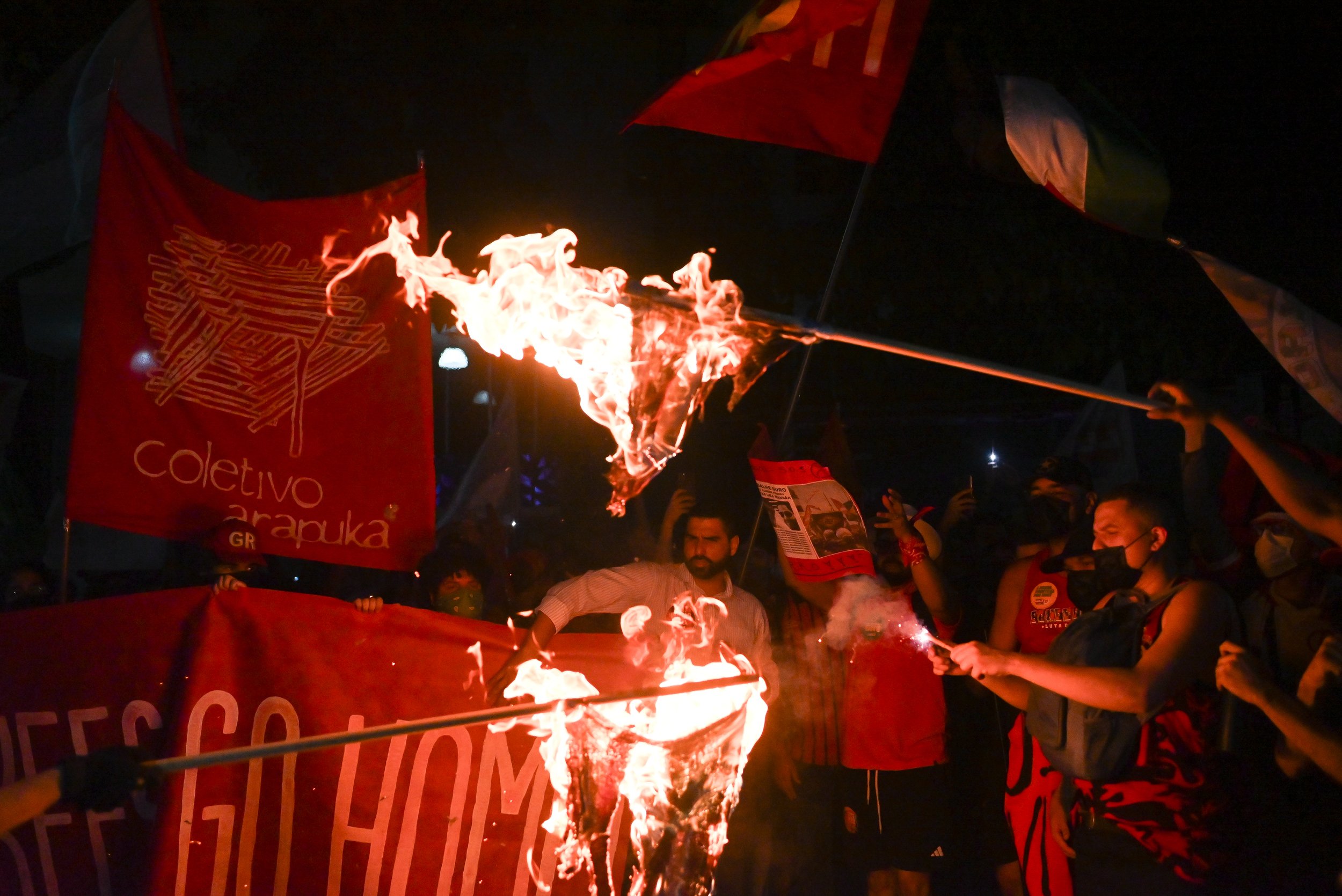
Photos by Fabio Teixeira, Rio de Janeiro, Brazil, October 2026.
There is an identity crisis in Brazil that cuts across both the right and the left: the Brazilian middle class seems unsure of which class it actually belongs to. And, perhaps more importantly, it appears to go to great lengths to avoid being mistaken for the class below it.
The result is a kind of collective delusion. On one hand, a segment of the middle class embraces Bolsonarism, the rhetoric of militarizing public life, and the promise that the extermination of the poor will solve the country’s problems. On the other, another segment identifies with progressive discourse, class struggle, and the defense of workers—yet, in their daily lives, they maintain deeply hierarchical relationships with the very people who perform the labor necessary to sustain their own comfort.
These are two seemingly opposing behaviors, but they share the contradiction of the difficulty in relinquishing certain privileges and the social distances that organize Brazilian society.
The Netflix series The Gift of Deceit offers a fitting illustration of this world. Set amidst the luxury and intrigue of Rio de Janeiro’s elite, the plot invites reflection on the theater of appearances, the aspirational proximity to the wealthy, and the power dynamics hidden behind a facade of respectability. The true “gang” is the wealthy class and the power structure that allows wealth to protect itself—even when its interests clash with those of society at large.
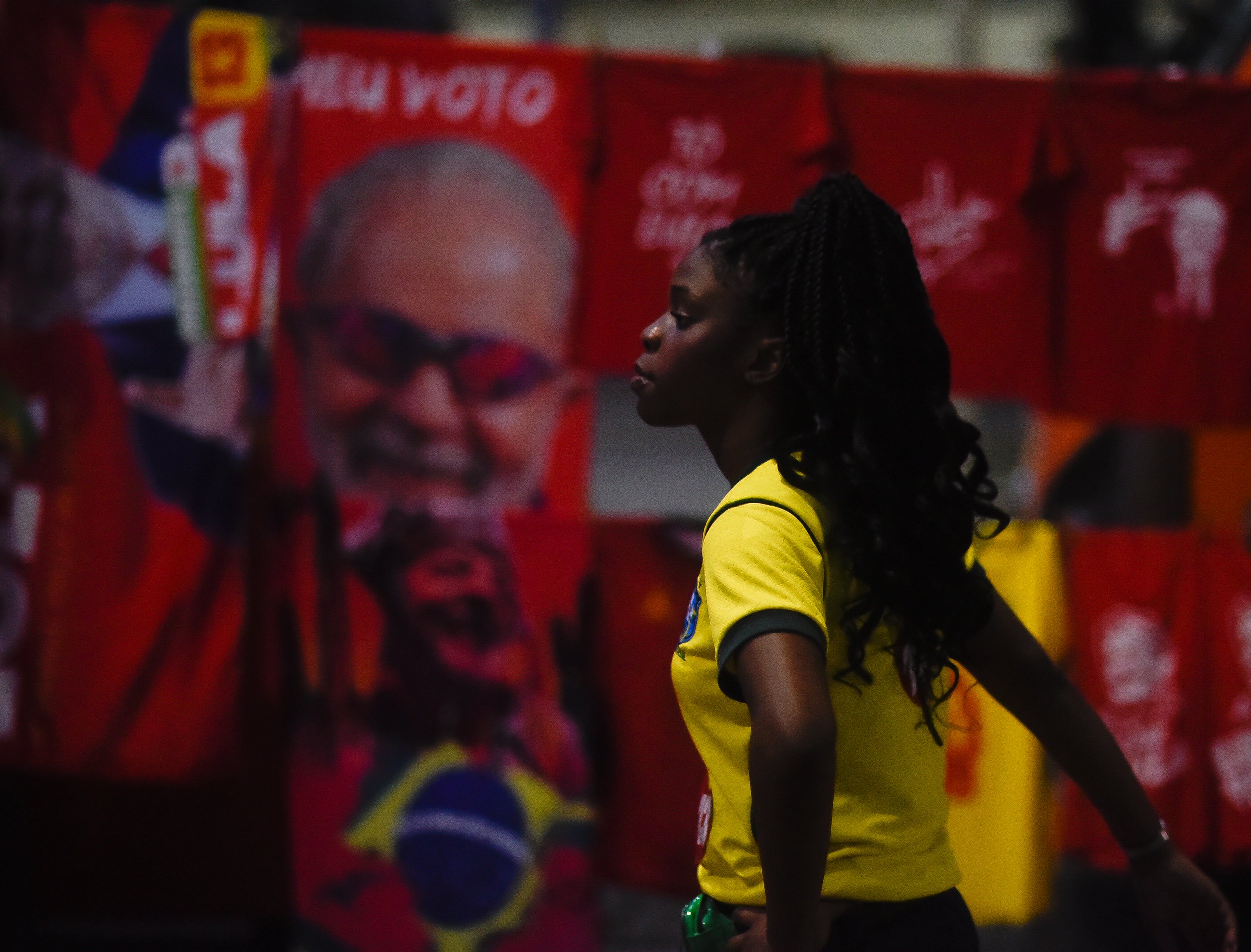
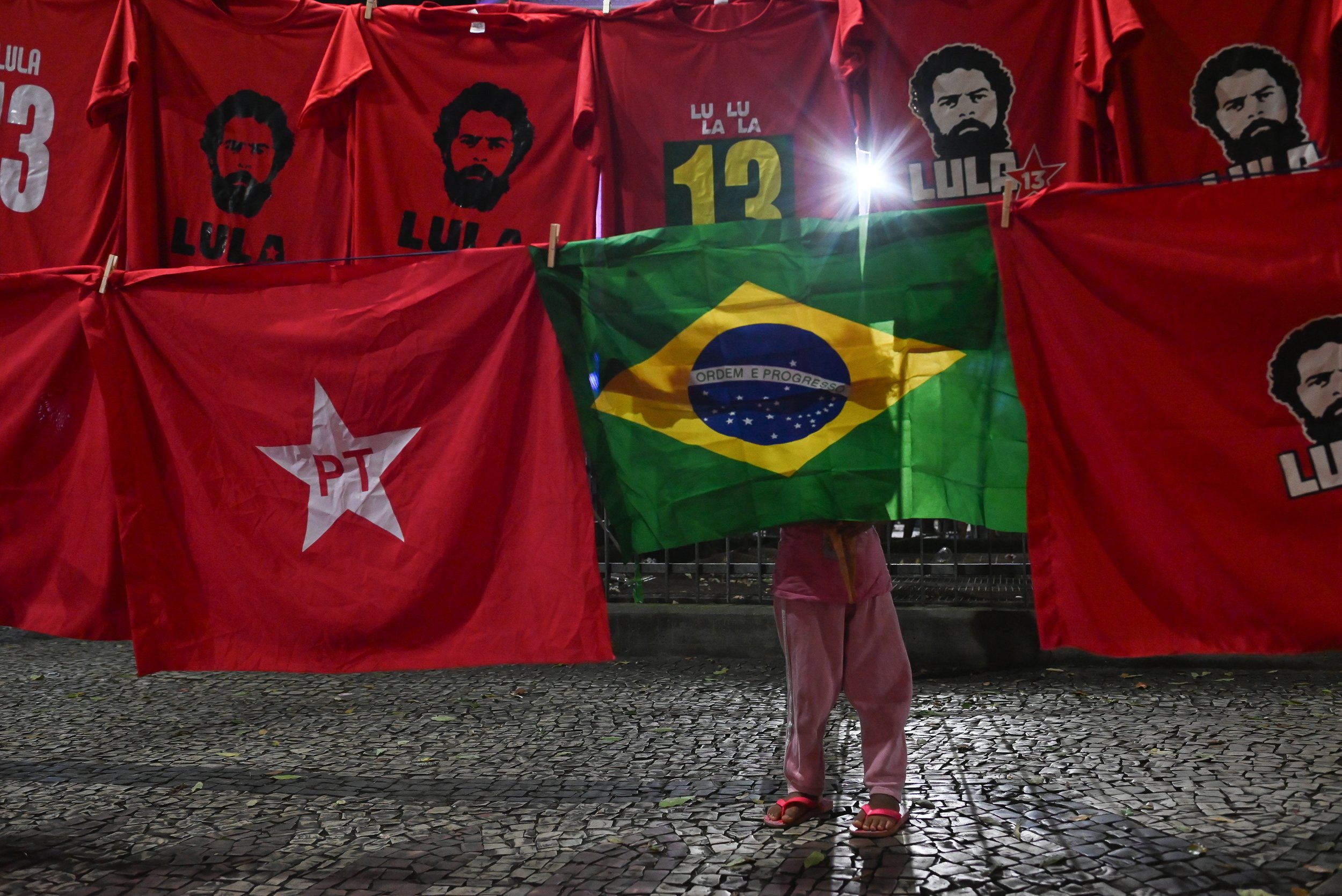
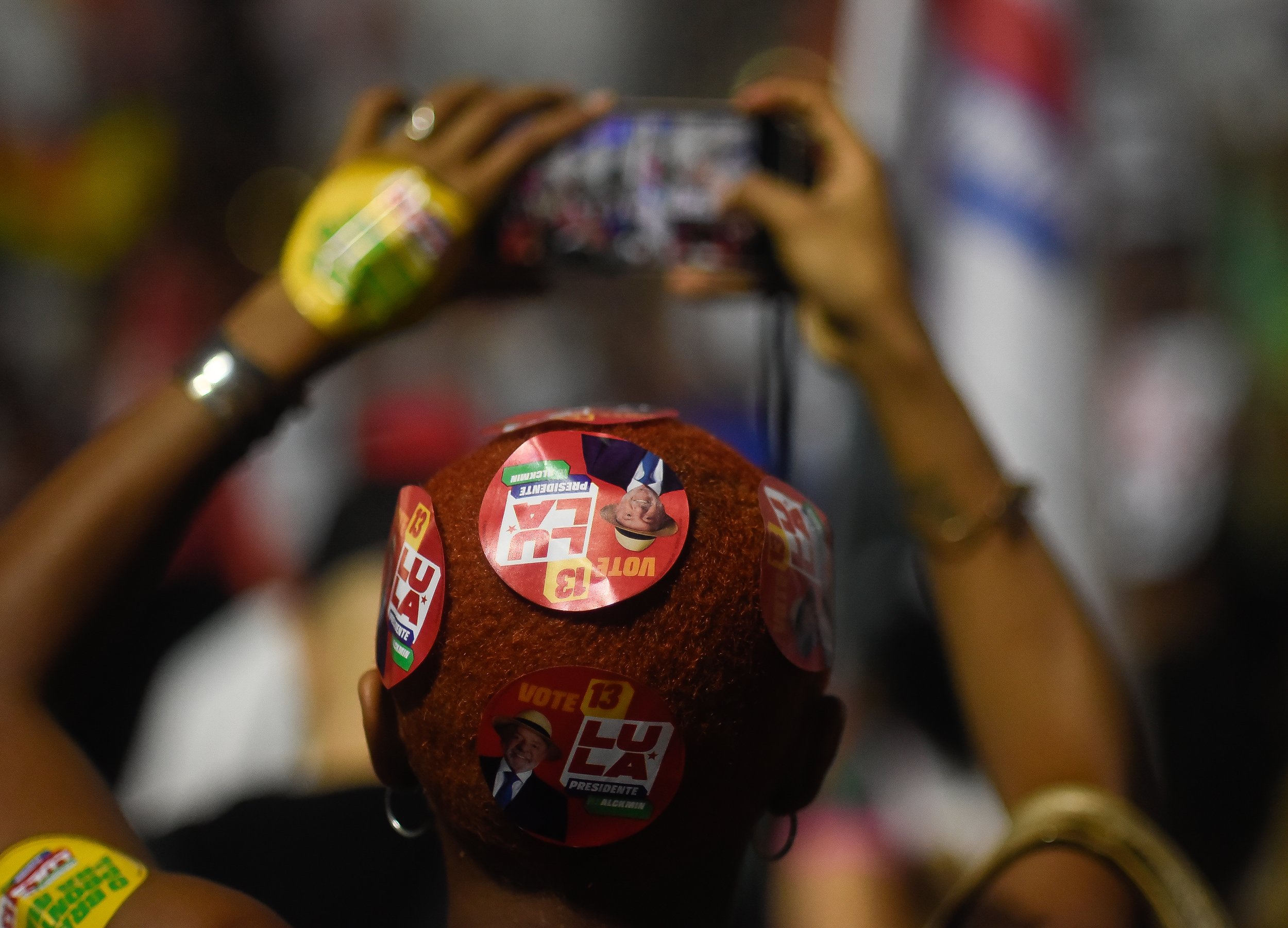
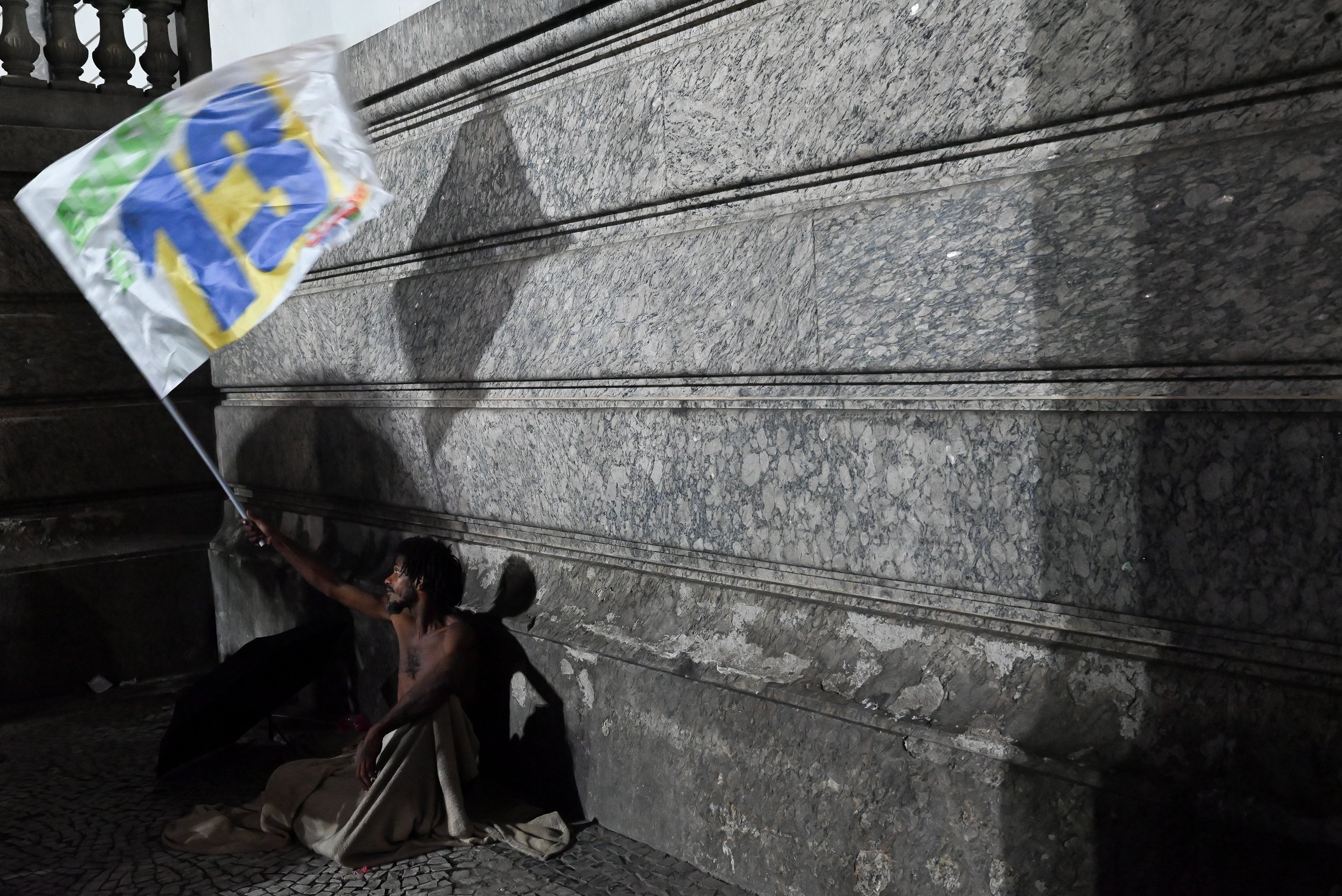
Photos by Fabio Teixeira, Rio de Janeiro, Brazil, October 2026.
The Caste That Doesn't Want to Be Caste
Brazil doesn't share the same religious and historical organization as India, but the rigidity of its socioeconomic boundaries and the naturalization of hierarchies reveal explicit parallels between the two systems. In Brazil, class and race are particularly violently intertwined. Slavery ended legally, but it left behind a recognizable structure of wealth and labor distribution. It's no coincidence that paid domestic work is predominantly performed by Black women.
It is in this context that the Brazilian middle class develops an ambiguous relationship with poverty. It needs the existence of an economically vulnerable population to maintain certain consumption patterns, but it doesn’t want to be associated with it. It needs domestic workers, delivery drivers, chauffeurs, caregivers, and service providers, but it often doesn’t recognize them as people who should enjoy the same conditions of dignity that it claims for itself.
The issue isn’t having someone to clean the house, hiring a service, or eating out. It is normalizing the need for another person to perform tasks that we consider unworthy of ourselves, often in precarious conditions, so that we can preserve our own comfort.
This contradiction appears in two political surges.
1. Bolsonarism as a Fantasy of Social Ascension
A segment of the middle class finds in Bolsonarism a possibility of symbolic identification with the rich. Not necessarily because they possess wealth, economic power, or political influence, but because they adopt the values and codes of those who do.
The promise of “you are not like those people” is seductive. You are a good worker, a family man, a taxpayer, someone who deserves protection. The problem lies with the poor, the criminals, the beneficiaries of social policies, the residents of the peripheries.
The rhetoric that “the only good thug is a dead thug” functions as moral authorization for a security policy that treats certain segments of the population as disposable. The contradiction appears when indignation against crime does not extend to financial crimes, corporate corruption, tax evasion, or abuses committed by people with money and influence.
The question this ideology avoids is: why should punishment be so implacable for someone who steals a cell phone and so often negotiable for those who move millions in corruption schemes or economic violations?
Data on police violence shows that this selectivity is not merely rhetoric. The 2025 Brazilian Public Security Yearbook recorded 6,243 deaths resulting from police interventions in 2024. Black people represented 82% of the victims. In 2025, according to the Pele Alvo report, released in July 2026, the proportion of Black victims reached 86.3% in the nine states analyzed by the Security Observatory Network:
“Rio de Janeiro, with the largest massacre in the country's history [in 2025], saw a 13.8% increase in lethality in one year. Here is another paradox: the Rio de Janeiro state government promoted such violence under the protection of ADPF 635, a legal mechanism that places the Supreme Federal Court (STF) as a supervisory actor.”
This involves identifying a political operation that goes beyond policing, that of convincing people who do not belong to the economic elite that their interests are the same as those of the groups that concentrate wealth and power. The fantasy is to belong to the upper class. The reality is to remain dependent on the same economic and social structures that produce inequality.
2. The Caviar Left and the Pet Class Struggle
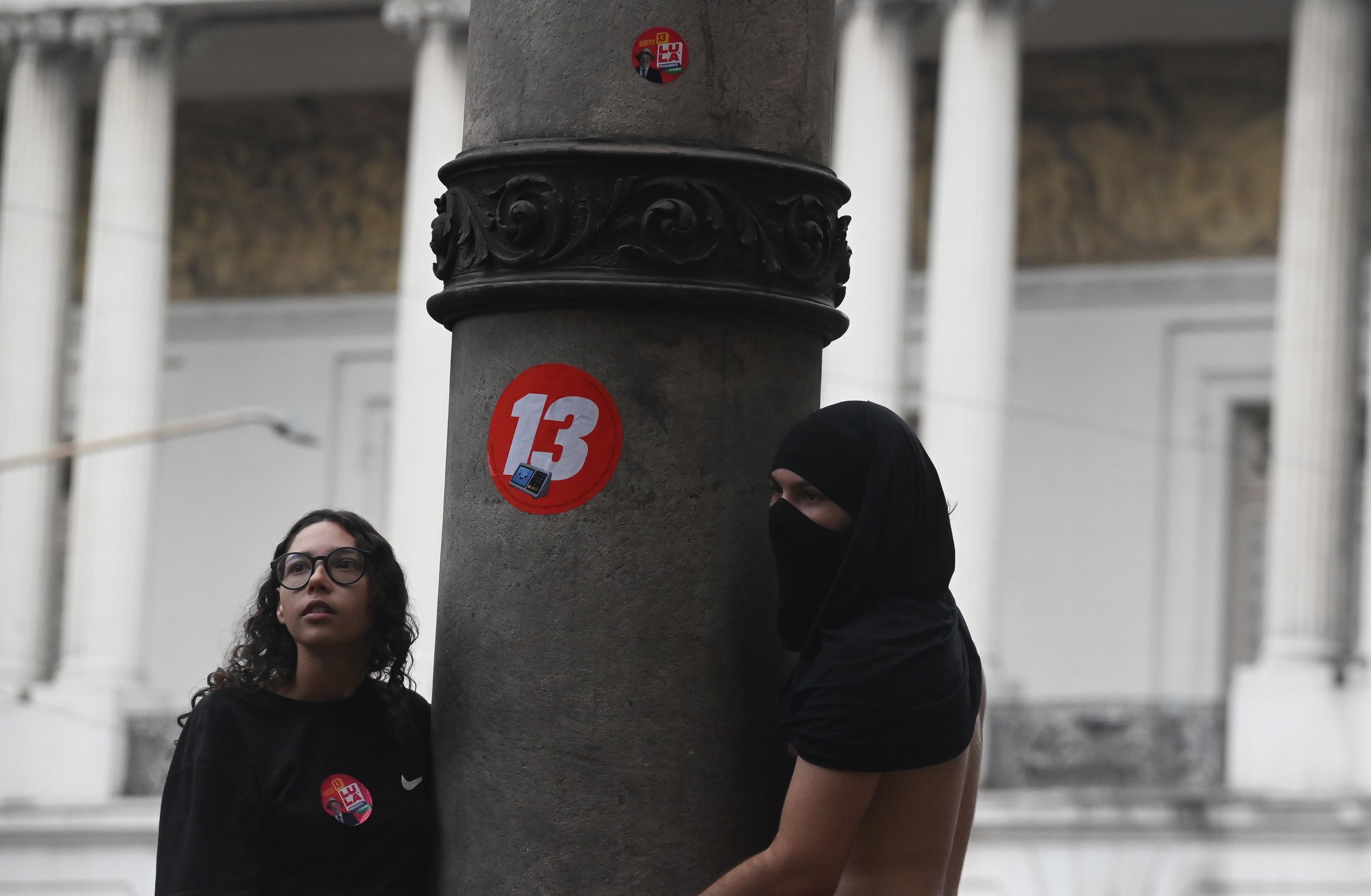
On the other hand, there is a segment of the middle class that masters the vocabulary of the left, votes for Lula, attends progressive cultural events, shares denunciations of capitalist exploitation, and identifies with ‘the people.’ But this identification often ends where domestic life begins.
It is the left that talks about workers, but doesn’t necessarily see the person who cleans their house as an equal. That denounces the exploitation of the proletariat, but considers it perfectly natural for someone else to cook, clean, organize, and take care of their children so they can dedicate their time to intellectual, professional, and leisure activities.
It is a left that claims to always be short of money, but, faced with the possibility of losing certain comforts, prefers to return to their parents’ house rather than reorganize their own consumption patterns. That complains about the cost of living, but doesn’t want to give up restaurants, travel, outsourced services, and the invisible infrastructure that sustains their routine.
While there’s nothing wrong with living with your parents, eating out, or hiring services, there’s a contradiction in defending equality as an abstract principle while reproducing subordinate relationships as a daily practice.
Brazilian domestic work is a good example of this contradiction. According to a survey released by the Ministry of Women in 2025, 64.5% of domestic workers received less than a minimum wage. Only 25% have formal employment contracts.
In other words, there’s a middle class that sees itself as lacking sufficient money to pay proper wages, but cant imagine having to cook for themselves and clean their own home.
These domestic workers are fundamental figures in this country’s economy. They are part of the infrastructure that allows other people to work, study, produce, travel, participate in political life, and enjoy free time.
The question that “caviar leftists” should confront is uncomfortable: if your quality of life depends on labor relations that you would consider unacceptable to yourself, in what way is your practice different from the one you denounce?
Class struggle doesn't just happen in speeches, demonstrations, or at the ballot. It also happens in the kitchen, in the laundry room, in the apartment building, in relationships with employees, and in how we distribute time, money, and dignity.
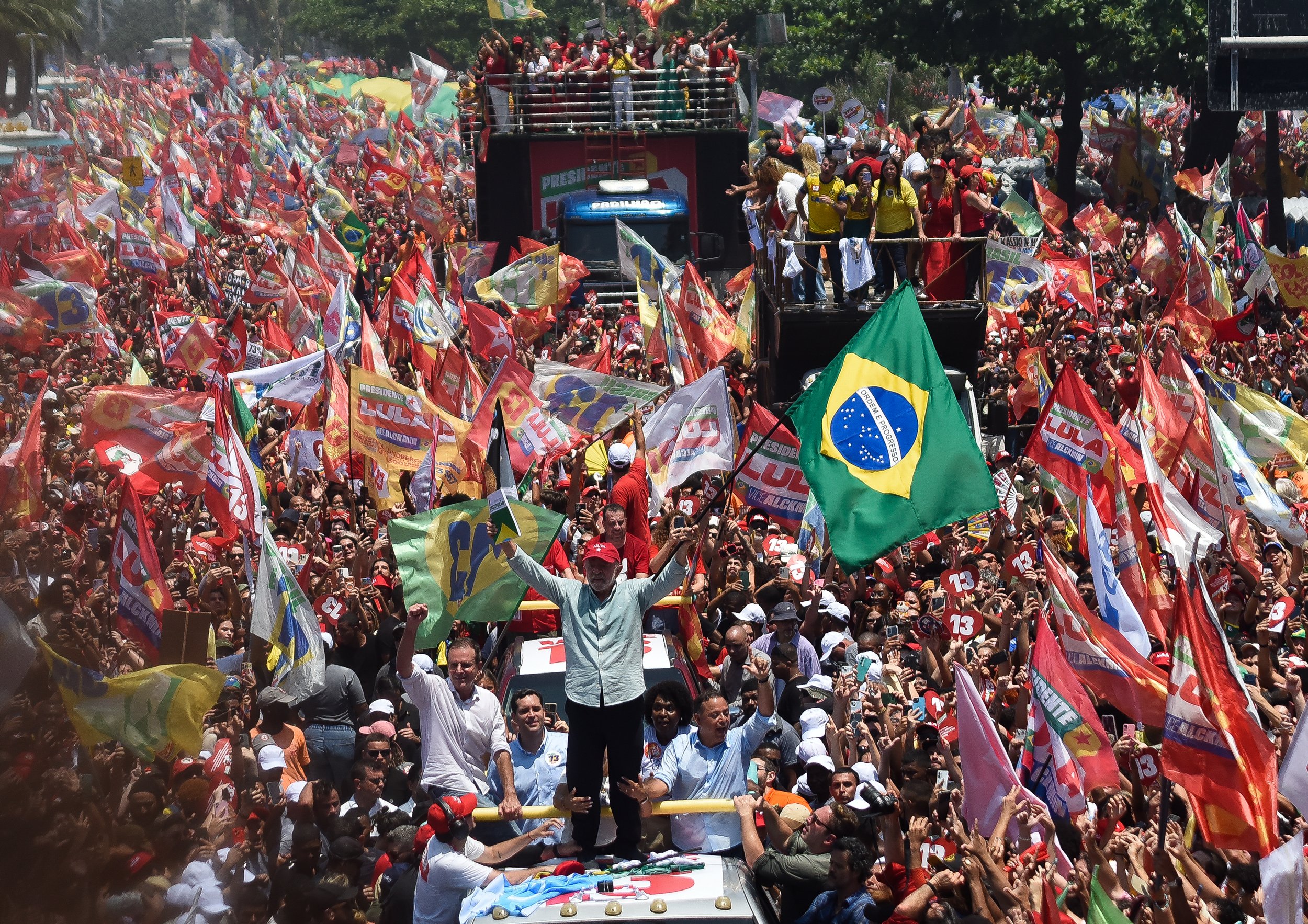
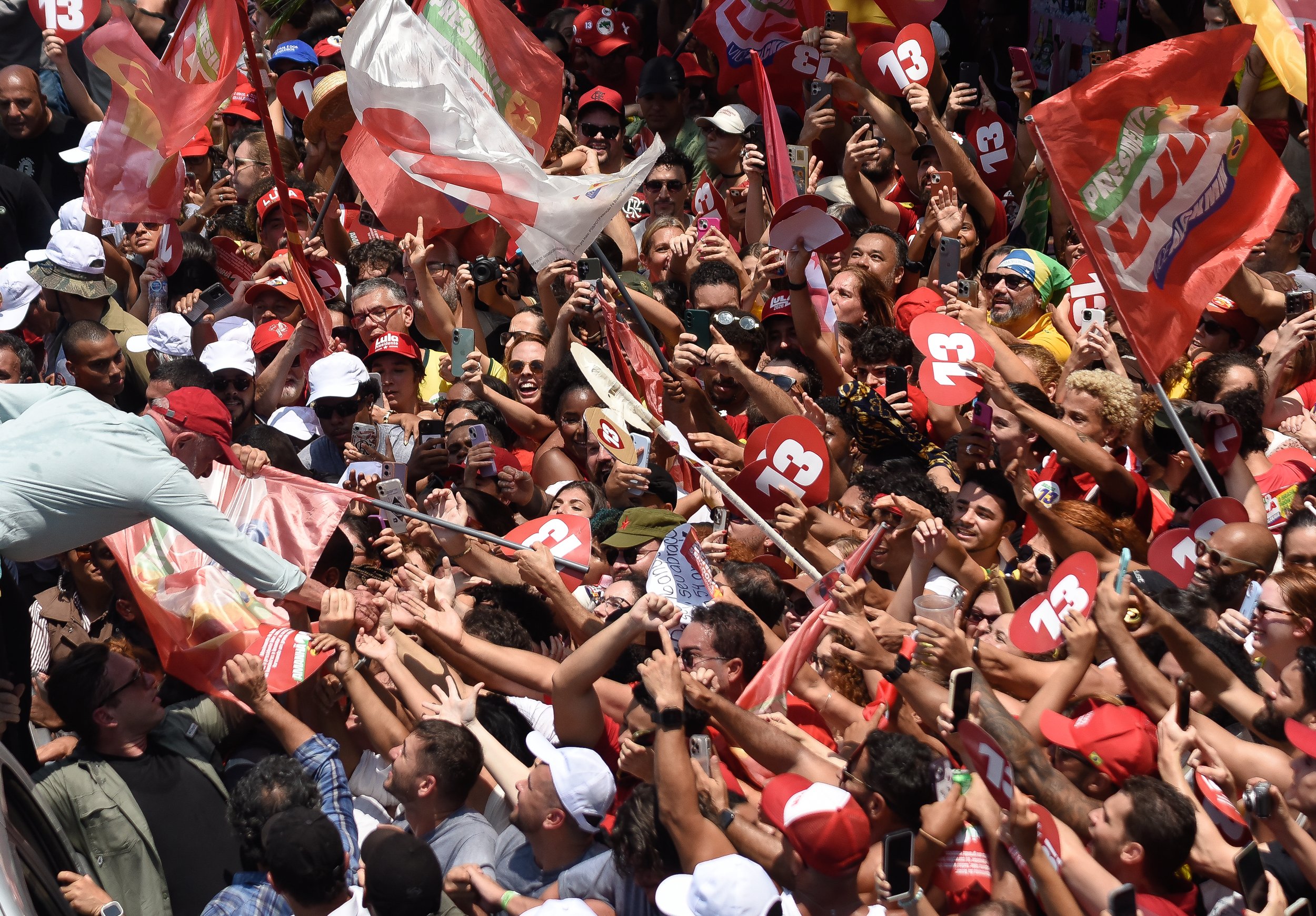
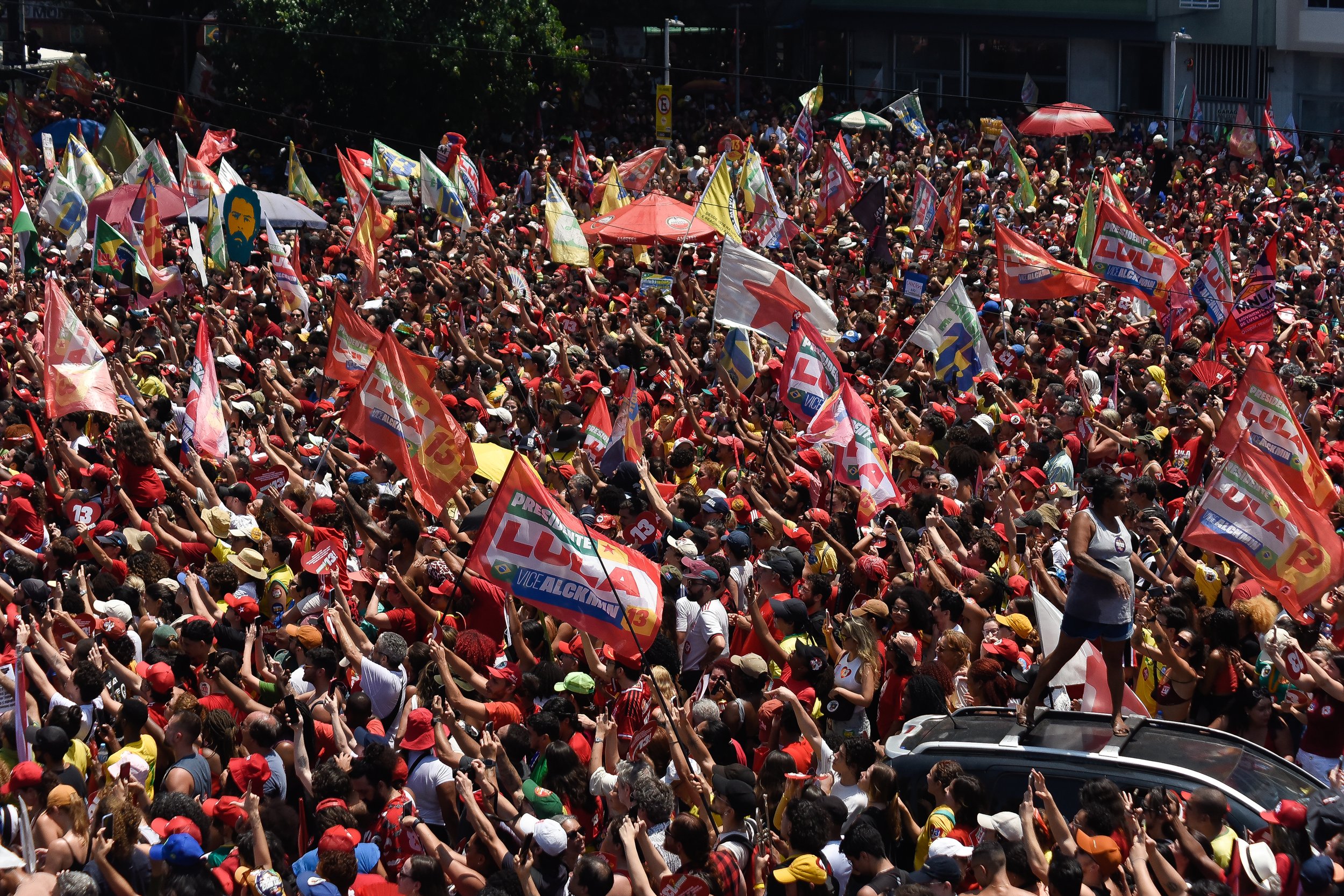
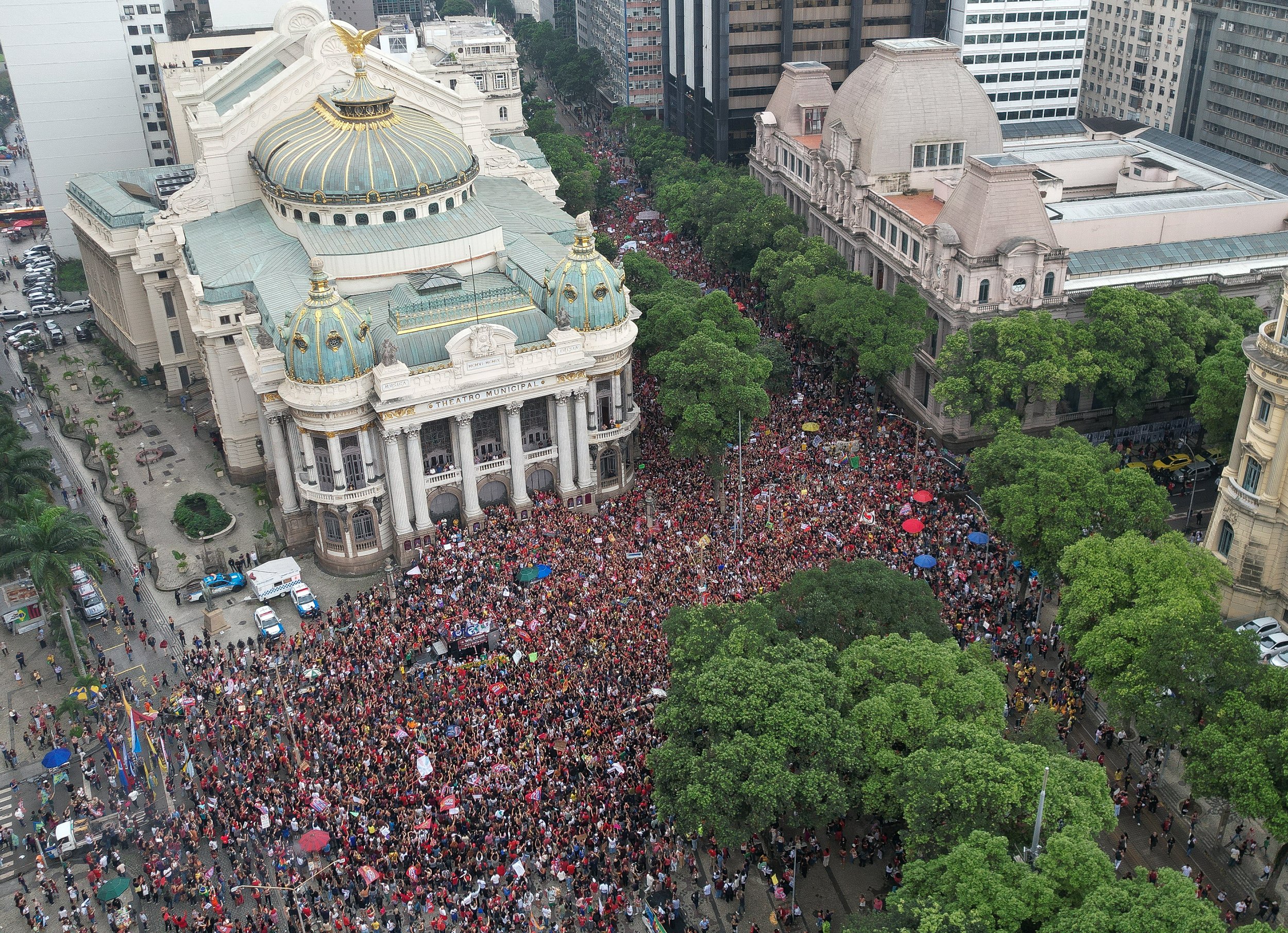
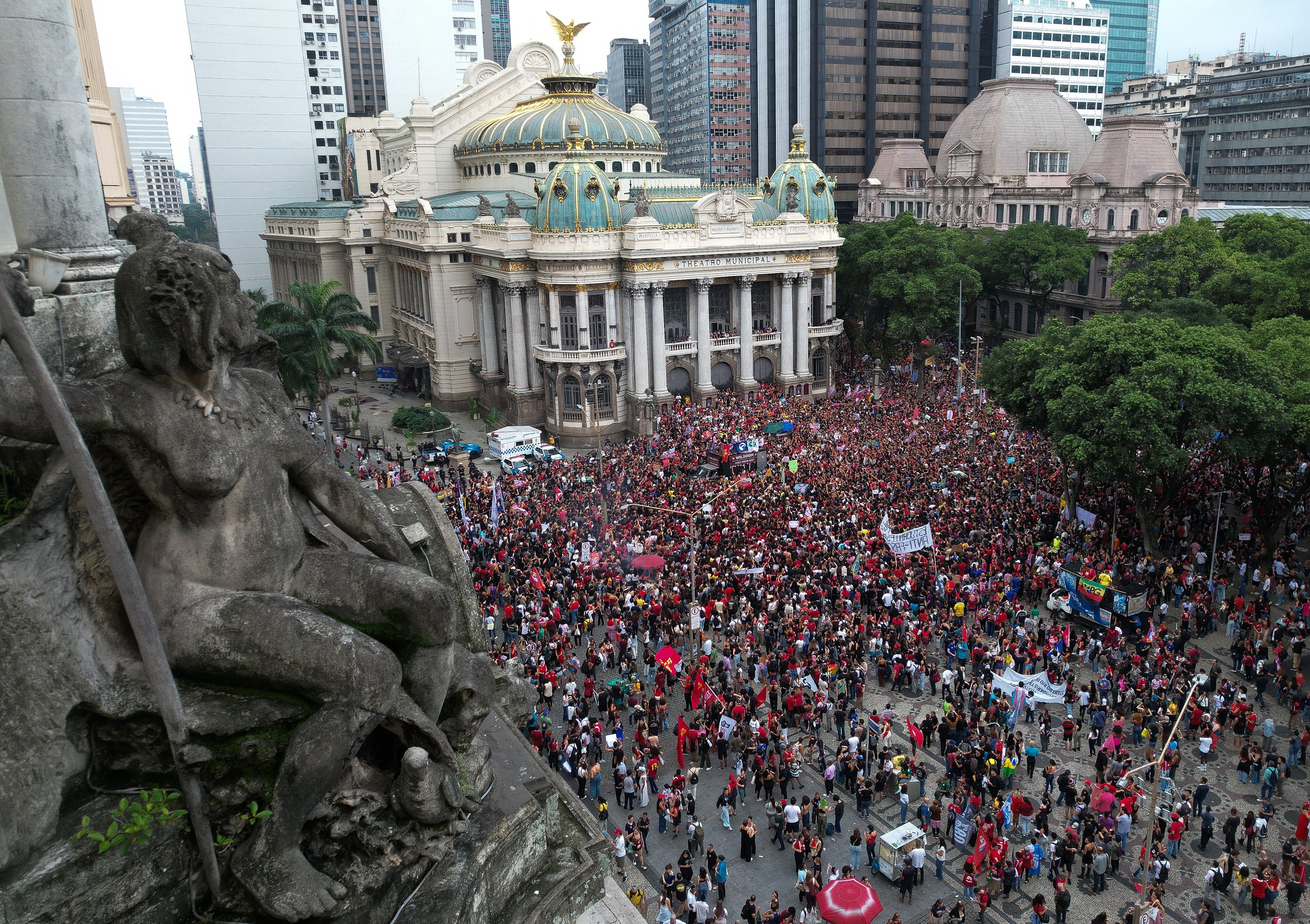
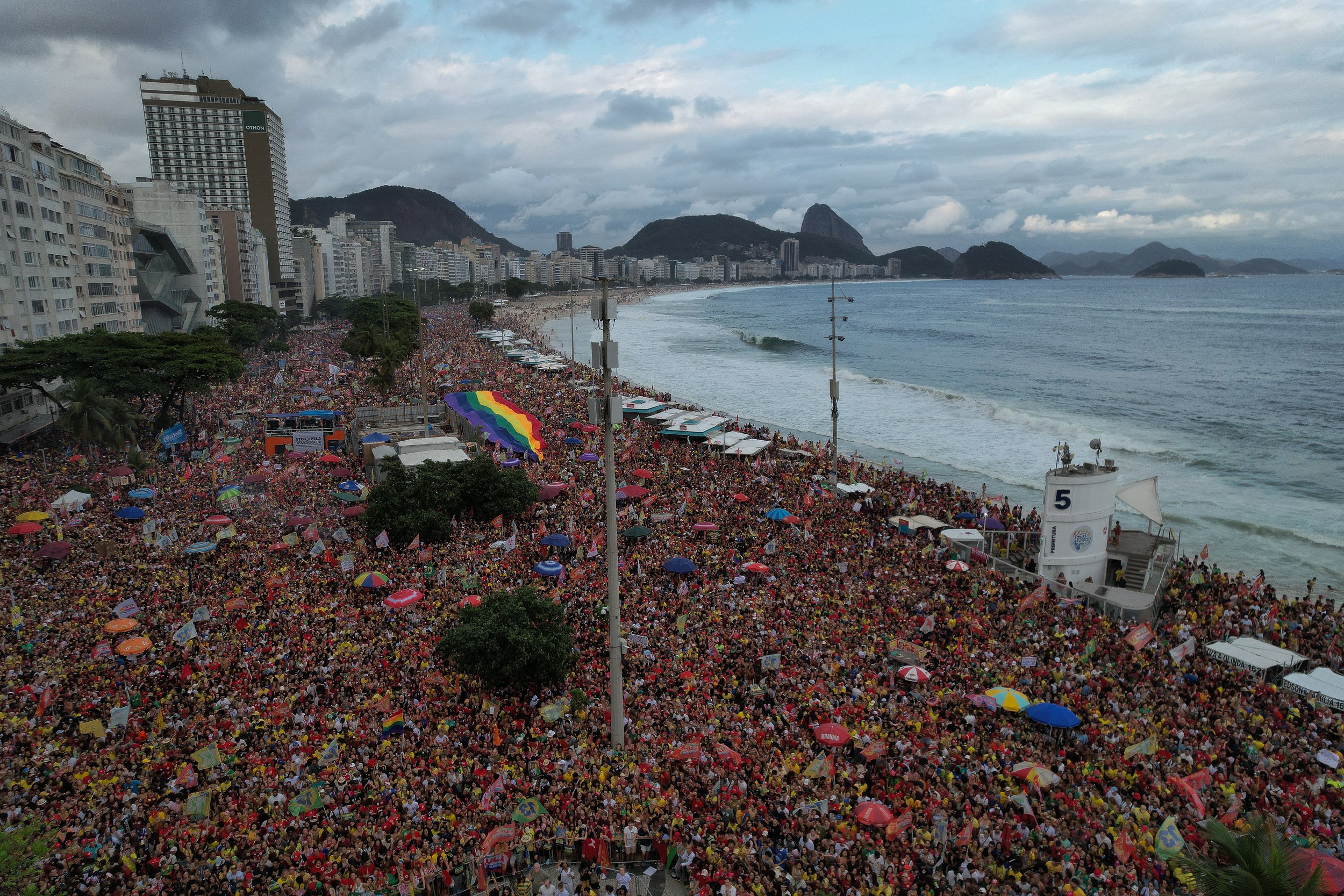
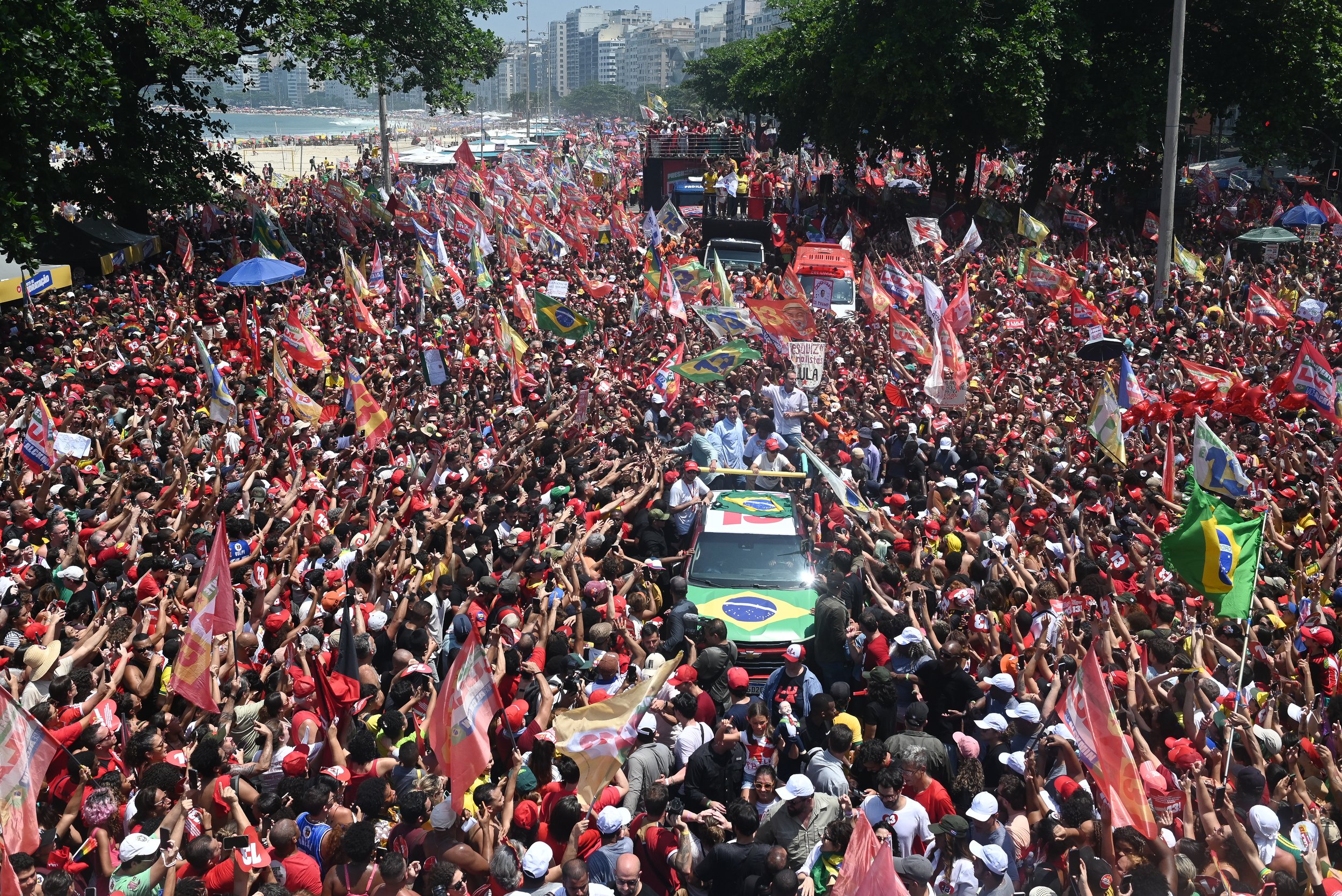
Photos by Fabio Teixeira, Rio de Janeiro, Brazil, October 2026.
What Did the 2026 Elections Reveal?
The 2026 presidential elections were a compelling demonstration that Brazilian polarization has not been resolved. Lula was re-elected with 51.79% of the valid votes, against 48.21% for Flávio Bolsonaro. There were approximately 64.2 million votes for Lula and 59.8 million for his opponent. A difference of just over 4.4 million votes in an electorate of continental dimensions.
Even if these numbers may not represent the population in exact terms, the result shows that the political dispute cannot be reduced to a simple division between rich and poor, nor between informed and uninformed people. Polarization crosses different classes, regions, social groups, and above all, is evident in everyday life.
Social media has become a central space for this dispute. On these platforms, political positioning is also a form of personal presentation. Sharing a complaint, defending a candidate, displaying a banner, or participating in a campaign produces visibility and a sense of belonging.
This mobilization is important. It can pressure institutions, set the agenda for public debate, organize demonstrations, and clearly influence elections. Lula’s victory demonstrates that digital competition and political mobilization can contribute to certain results. But there is a problem when political participation ends with the posting of an opinion or the confirmation of a vote.
Electoral performance can produce the feeling of participation in a transformation that, in reality, has not yet happened.
It is possible to vote for the left and continue to reproduce deeply conservative relationships. It is possible to vote for the right and imagine that ideological proximity to the rich will produce a social rise that never arrives. It is possible to spend four years defending one president and four years denouncing the next, without questioning the economic structures that remain relatively intact between terms.
Resistance Cannot Depend on Who Occupies the Planalto Palace.
Why isn’t the energy spent defending or attacking candidates equally directed towards the public policies being implemented right now?
The Amazon recorded its lowest deforestation rate in 2026 since National Institute for Space Research began measuring. This is an achievement that should be recognized. But it cannot serve as a safe conduct for other environmental decisions. While the government celebrates the reduction in land deforestation, it advances oil exploration at the mouth of the Amazon River, a region of reefs, mangroves, marine biodiversity, and communities whose survival depends on the integrity of these ecosystems. A government’s environmental performance cannot be measured solely by the indicator in which it has succeeded.
Protecting the forest and compromising the ocean does not constitute a coherent environmental policy.
The question is not whether Brazil is deforesting less, but whether it is truly building a development model that does not transfer the costs of its economic expansion to the most vulnerable ecosystems and populations.
Another example is the General Environmental Licensing Law (Law 15.190/2025). Although Lula vetoed parts of the bill approved by Congress, some of these vetoes were later overturned, and the legislation came into effect in February 2026, amidst challenges from organizations and parties that took the issue to the Supreme Federal Court. The National Historic and Artistic Heritage Institute expressed concern about the reduction of safeguards and mechanisms for participation and protection of cultural heritage.
These contradictions matter because it is not enough to celebrate Brazil’s international image as a climate leader while ignoring decisions that could compromise ecosystems, traditional communities, and coastal populations.
It is also necessary to question the models of concession, financing, exploitation, and transfer of control over natural resources. The presence of foreign companies does not automatically represent a surrender of sovereignty, but contracts, corporate participations, and exploration agreements need to be examined regarding the distribution of benefits, risks, and decision-making power—regardless of who is president.
Since 2019, Petrobras, for example, has signed 17 contracts with TGS, a Norwegian company, for the acquisition and use of seismic data in Brazilian territory, an average of more than 2 contracts per year, totaling over 3 billion reais. With this funding, TGS applies for environmental licensing with IBAMA (Brazilian Institute of Environment and Renewable Natural Resources) to collect non-exclusive data on the seismic activity of our country.
The defense of national sovereignty cannot be selective. Nor can it be confused with the defense of the interests of Brazilian companies when these interests conflict with the rights of populations and environmental preservation.
Global capitalism is not organized around national elections. It operates through financial, business, technological, military, and intelligence networks that cross borders and condition the possibilities of democratically elected governments. The president has power, but does not govern the international economic system alone.
Therefore, resistance must survive electoral cycles.
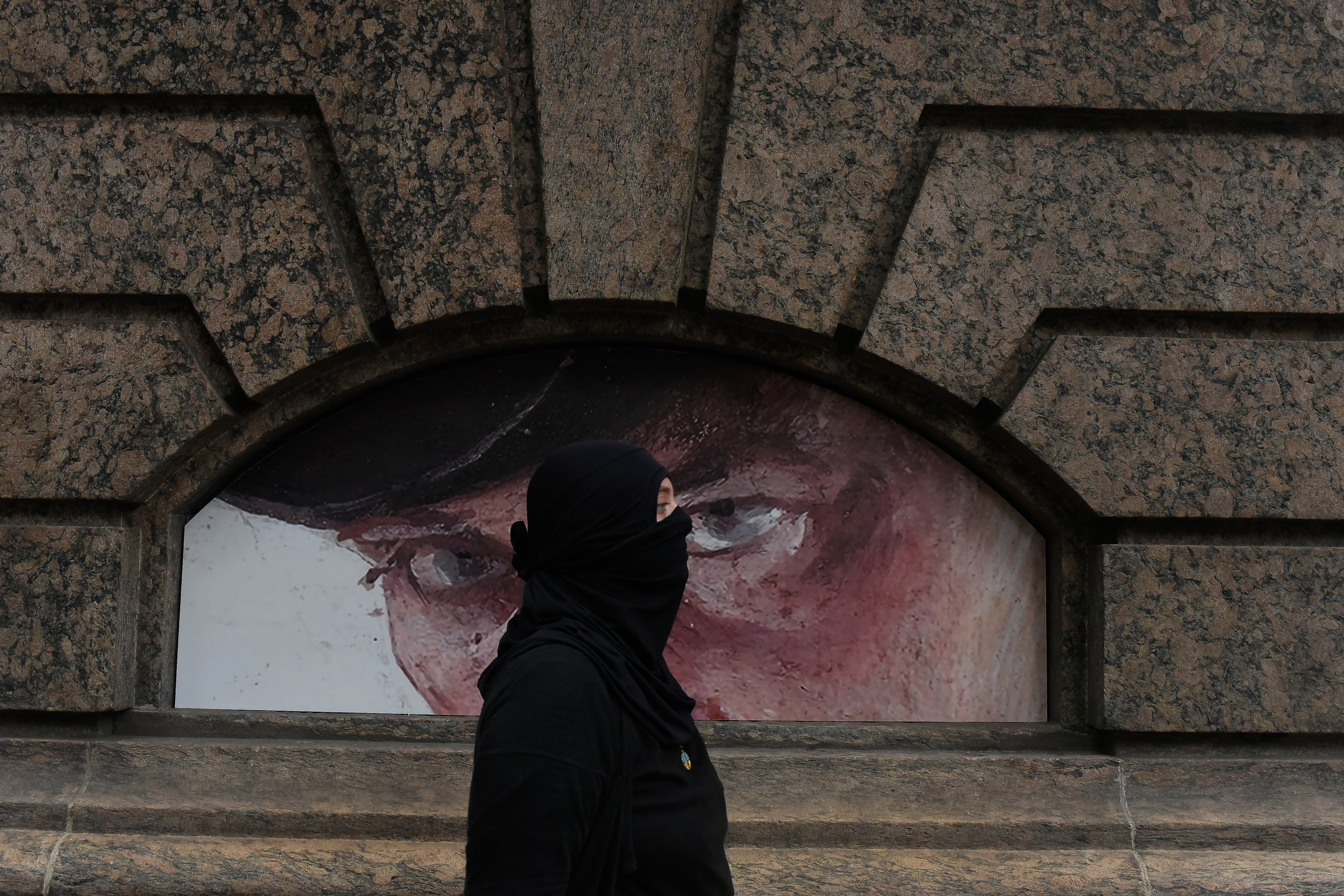
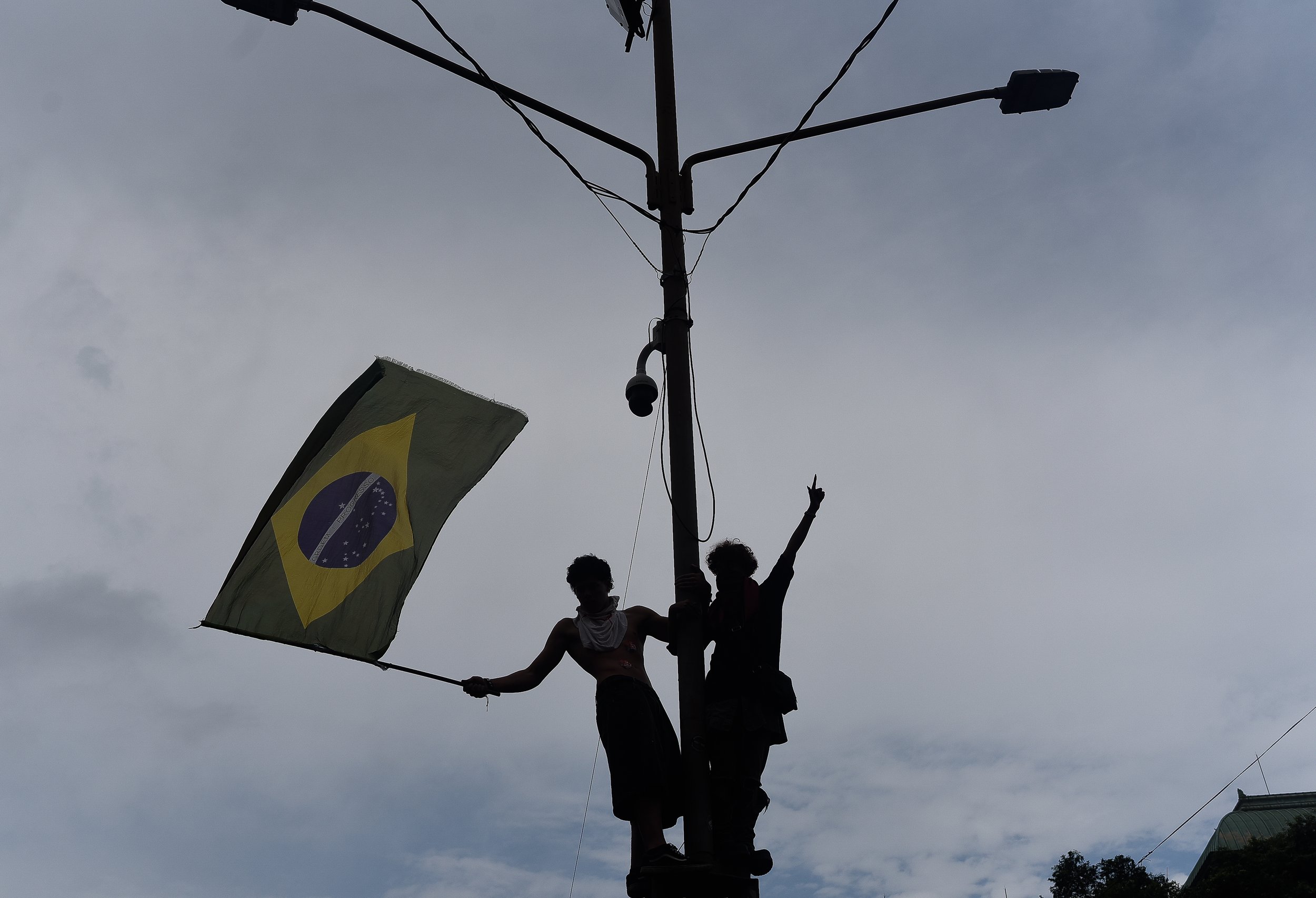
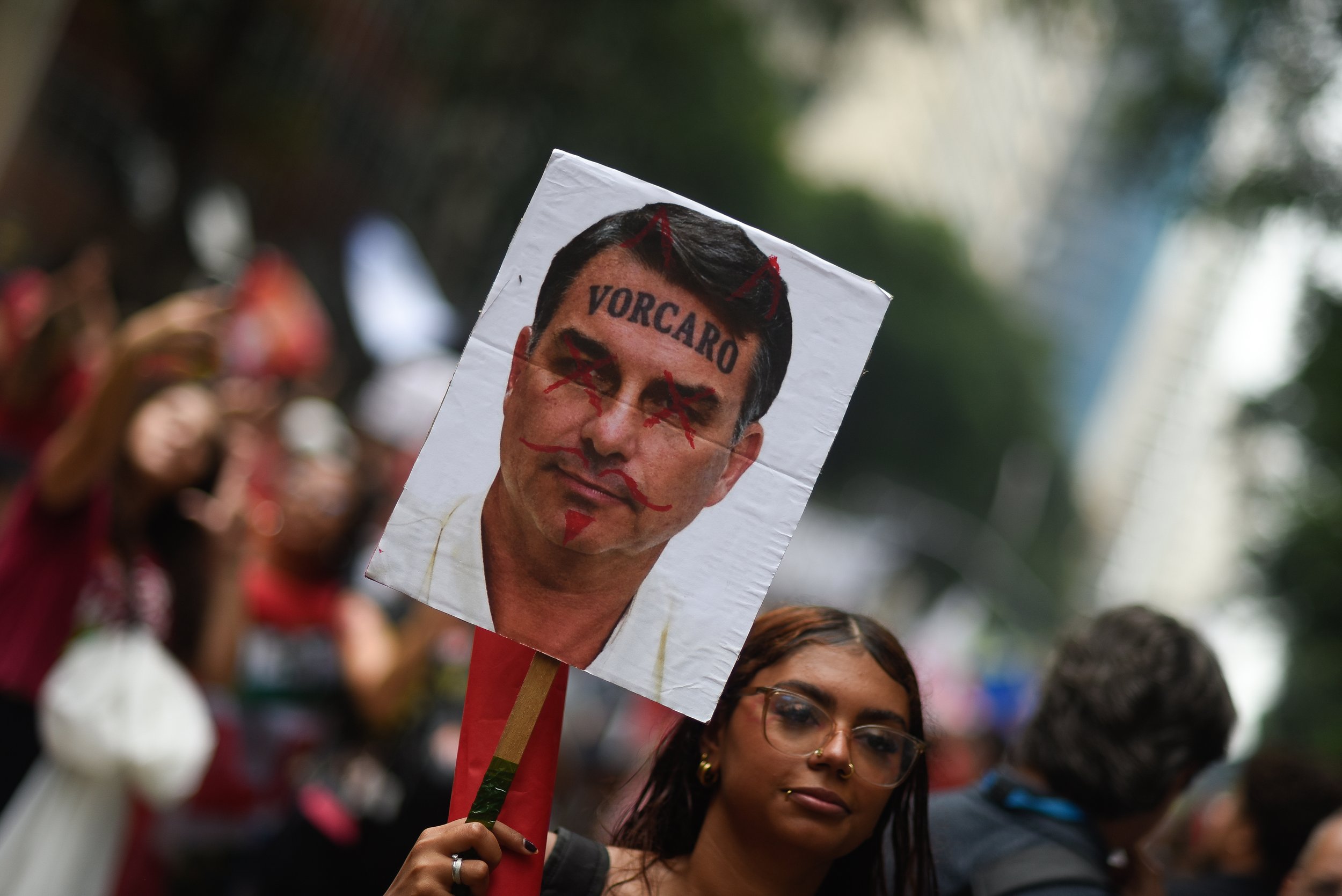
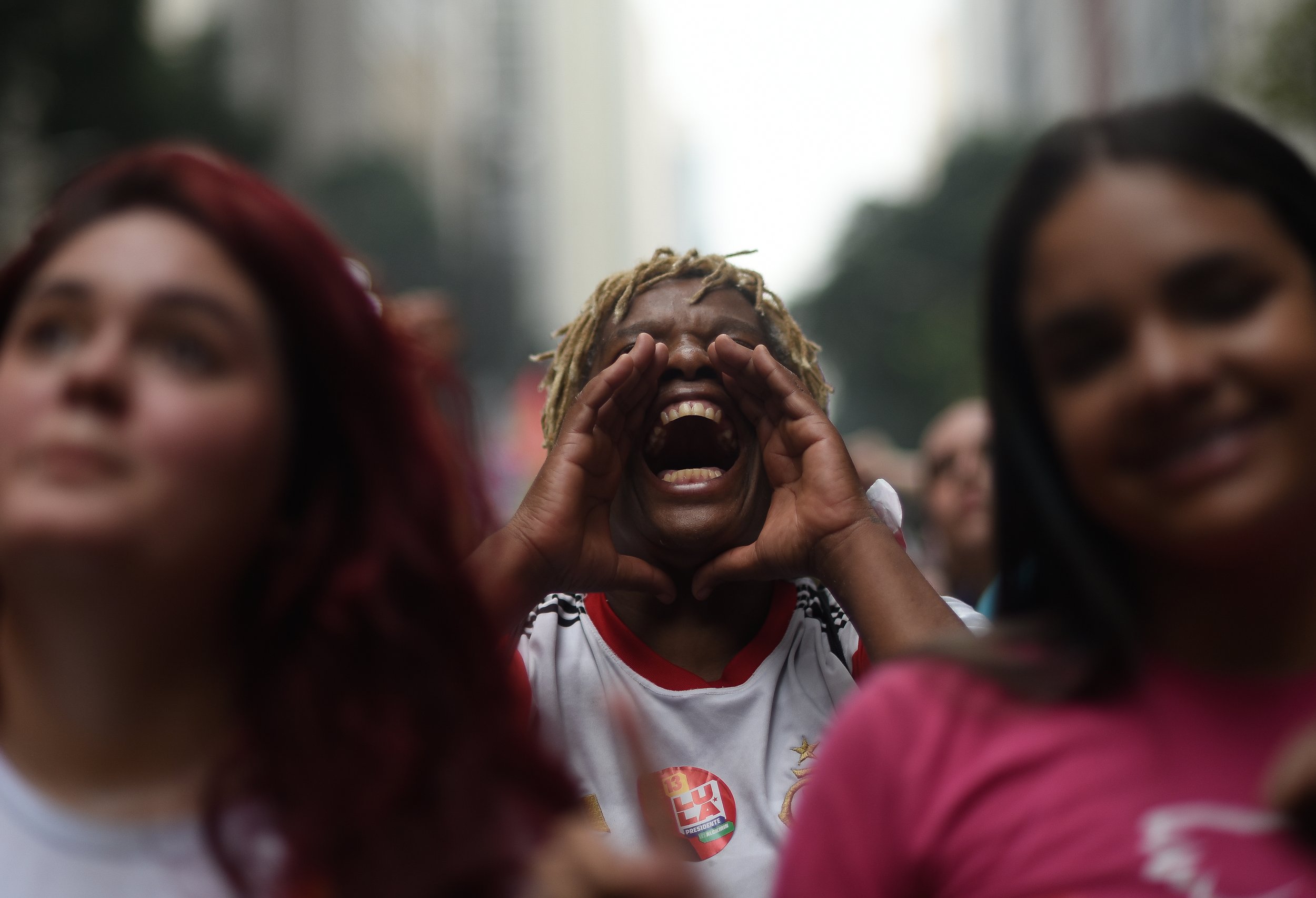

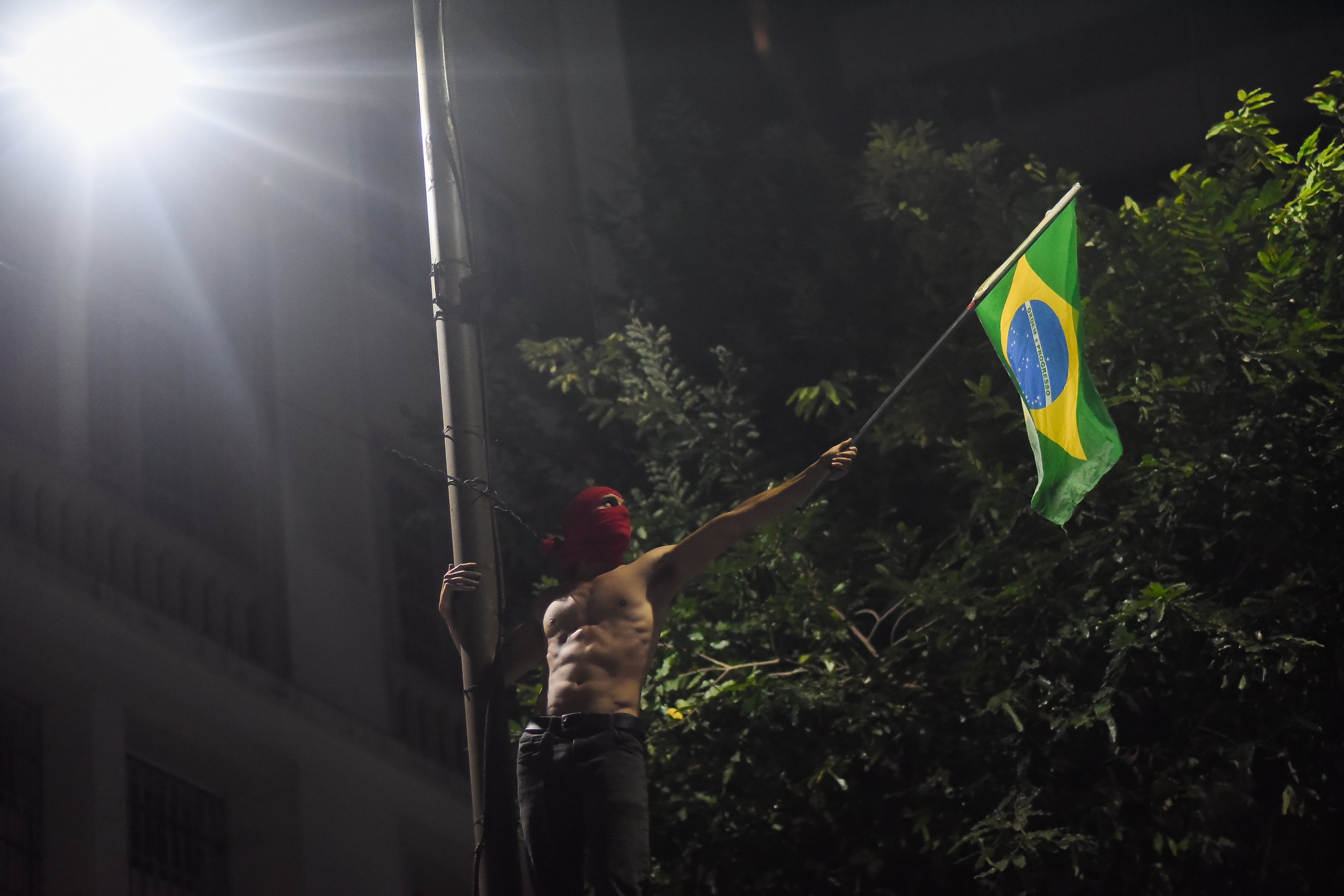
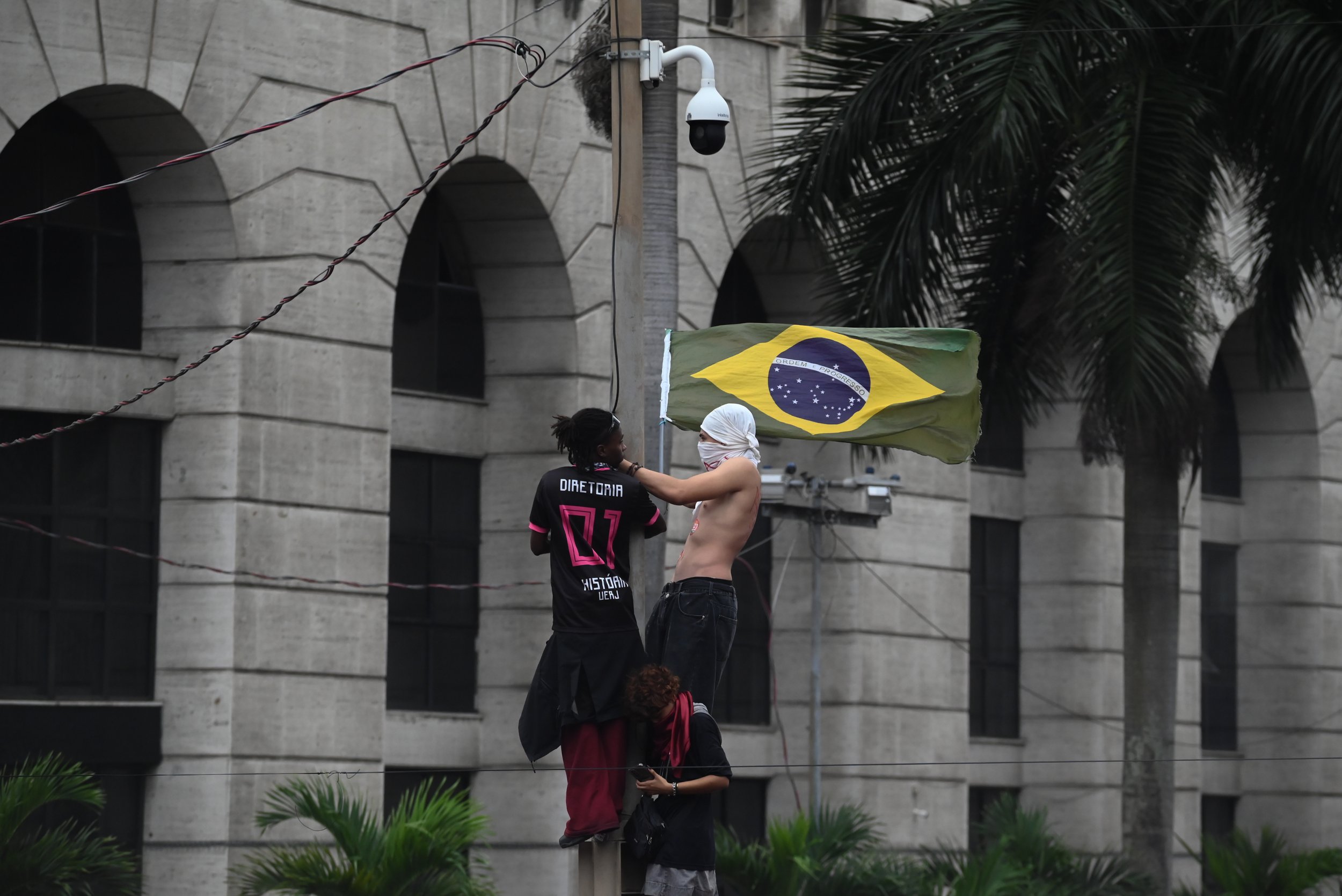
Photos by Fabio Teixeira, Rio de Janeiro, Brazil, October 2026.
Overcoming the Meltdown and Beginning the Transformation
Perhaps the real problem of the Brazilian middle class is its inability to imagine a society where its social position doesn't depend on the existence of someone in an inferior position.
The right offers the fantasy of upward mobility through identification with the rich. The performative left offers the fantasy of equality without concrete redistribution of everyday privileges. Both can end up protecting the structure of a society where a few concentrate power and many must compete with each other for resources, rights, and opportunities that should be guaranteed to all.
It is necessary to broaden the meaning of political participation beyond electoral politics.
May social media campaigns also serve to denounce the precariousness of domestic work, police violence, institutional racism, environmental destruction, the privatization of common goods, and public contracts that compromise the collective interest.
May indignation not only appear when the political adversary is in power. May accountability not be confused with betrayal. May supporting a government not mean granting it immunity from criticism.
And may the left, above all, begin to practice equality in the closest relationships, where it is usually most inconvenient.
It’s impossible to build a less unequal society simply by wishing that others have more rights. It is necessary to question the advantages that depend on these rights continuing to be denied to someone.
Brazil does not need a middle class that imagines itself rich, nor another that imagines itself revolutionary. It needs people willing to confront the structures that produce and perpetuate inequality, even when they themselves benefit from these structures.
Continue being resistance, regardless of who the president is.
Because presidents change. Governments change. Coalitions change. But the structures of economic power, corporate interests, and international networks that condition political decisions do not disappear with the counting of votes.
Democracy does not begin or end at the ballot. And the fight for dignity cannot begin and end once every four years.



Mirna Wabi-Sabi

Mirna is a Brazilian writer, editor at Sul Books and founder of Plataforma9. She is the author of the book Anarcho-transcreation and producer of several other titles under the P9 press.