
Liberty-Washing Venezuela: How Trump Turns Crises into a Narrative of Control
Liberty-washing: the practice of selectively invoking the language of liberty, democratic restoration, or rule of law to legitimize coercive foreign action, while disregarding sovereignty, international legal constraints, or comparable liberties at home.
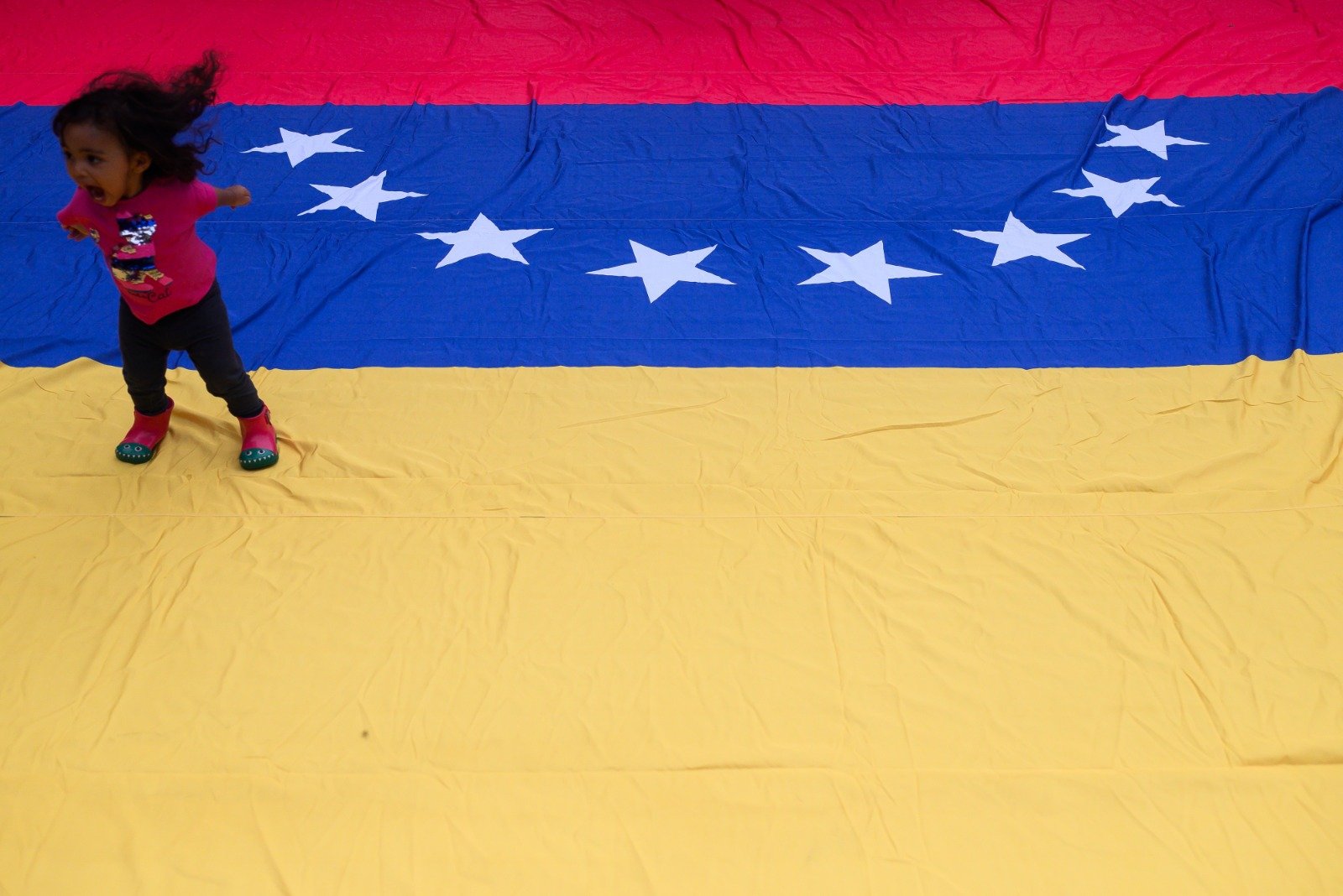
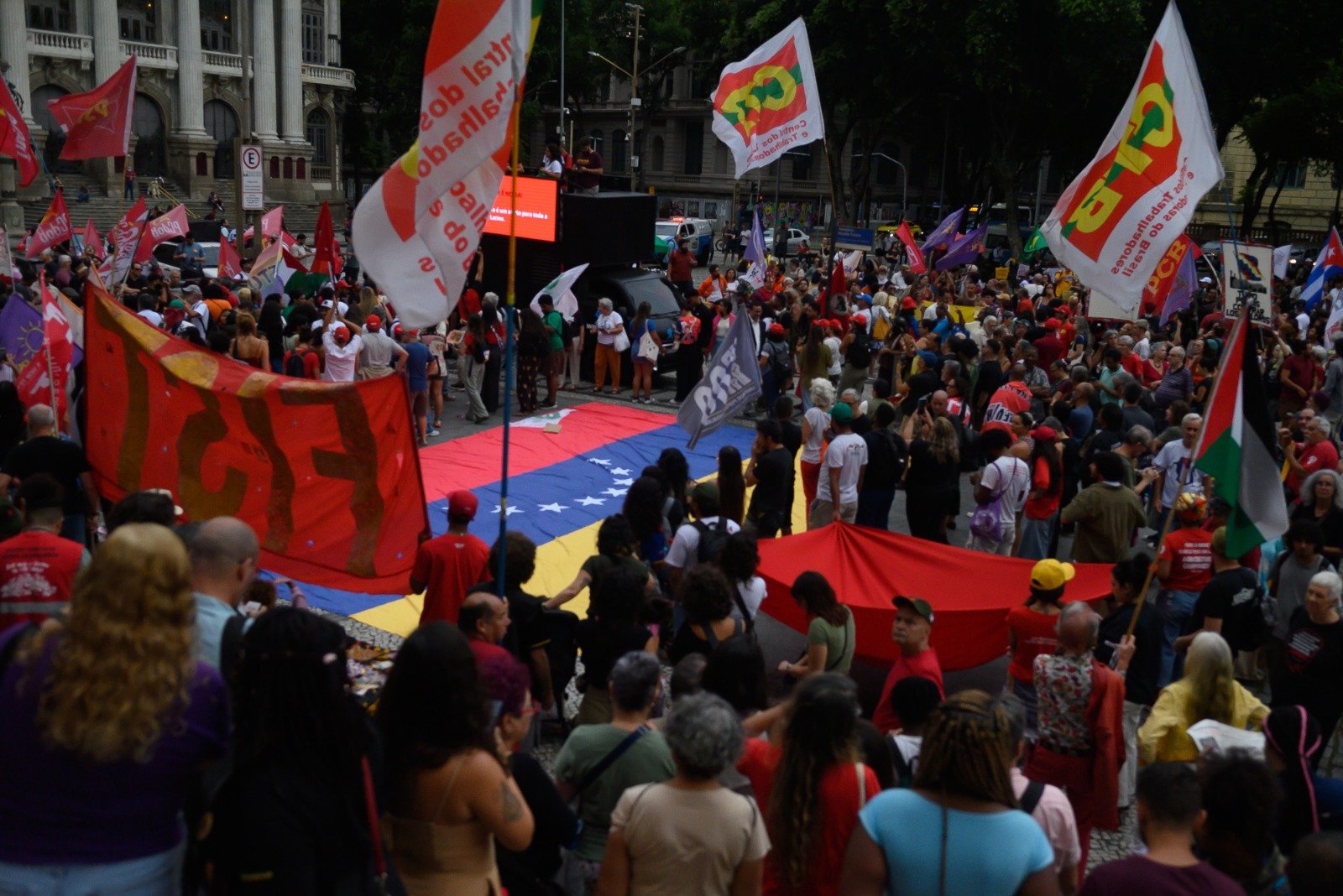
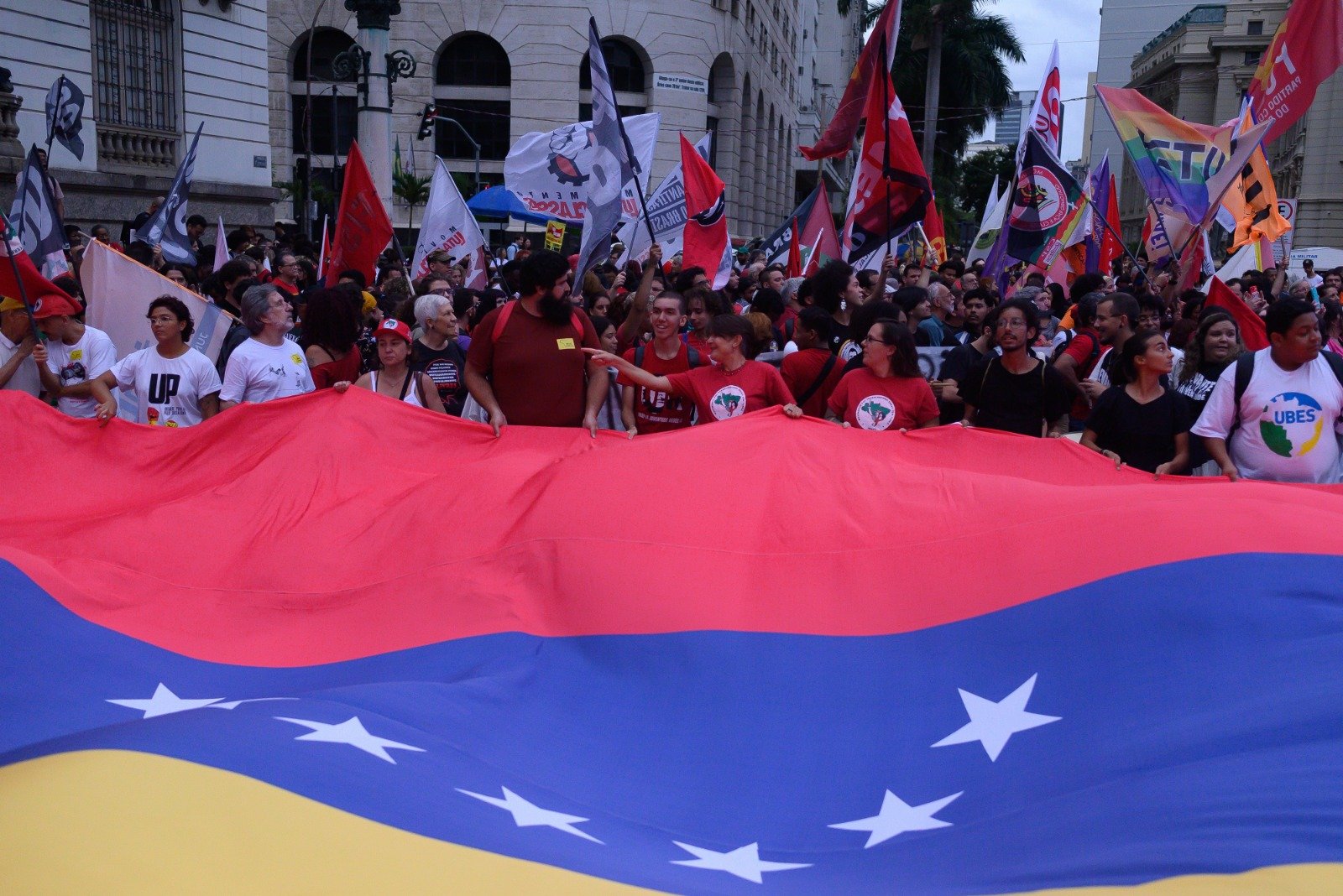

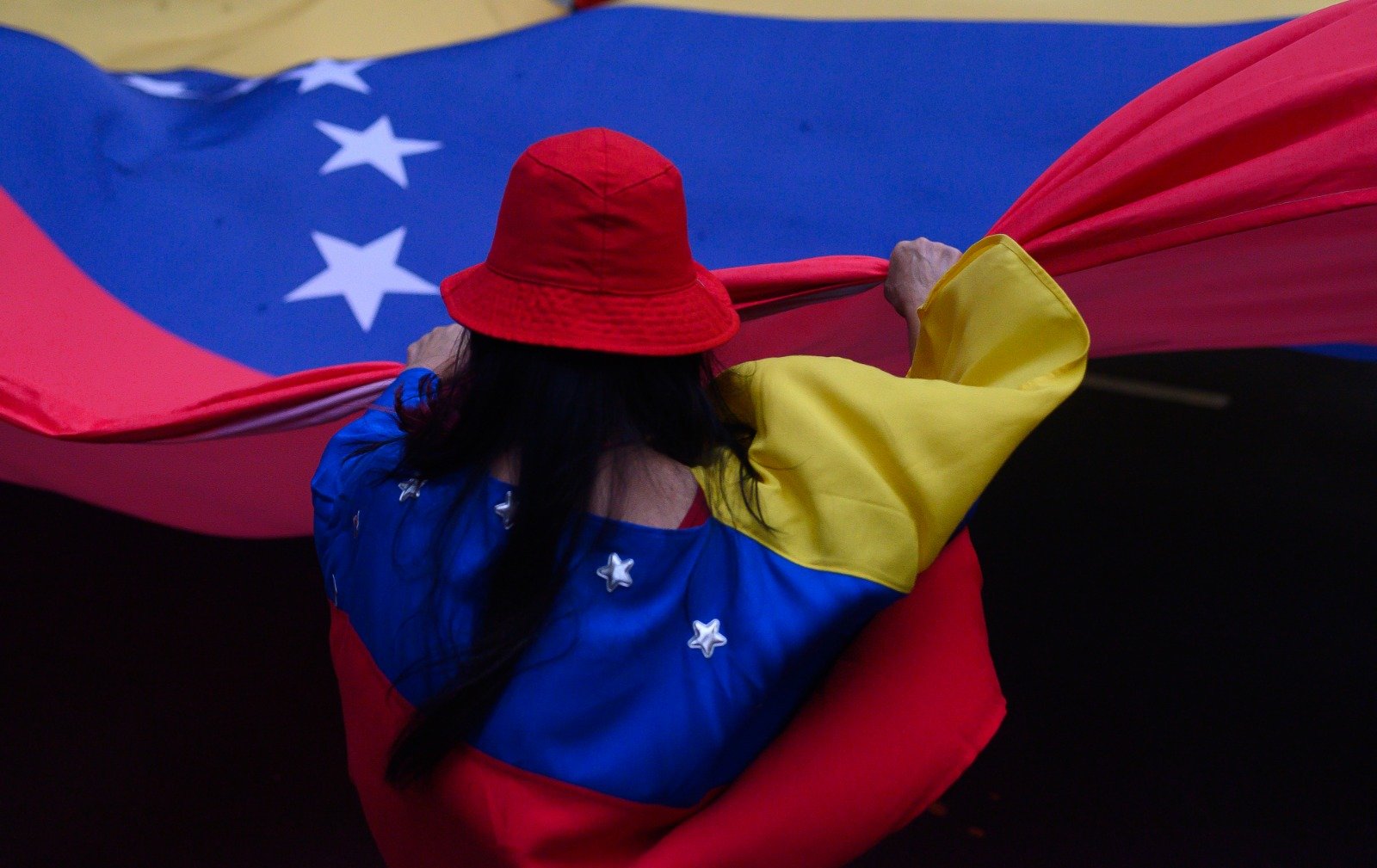
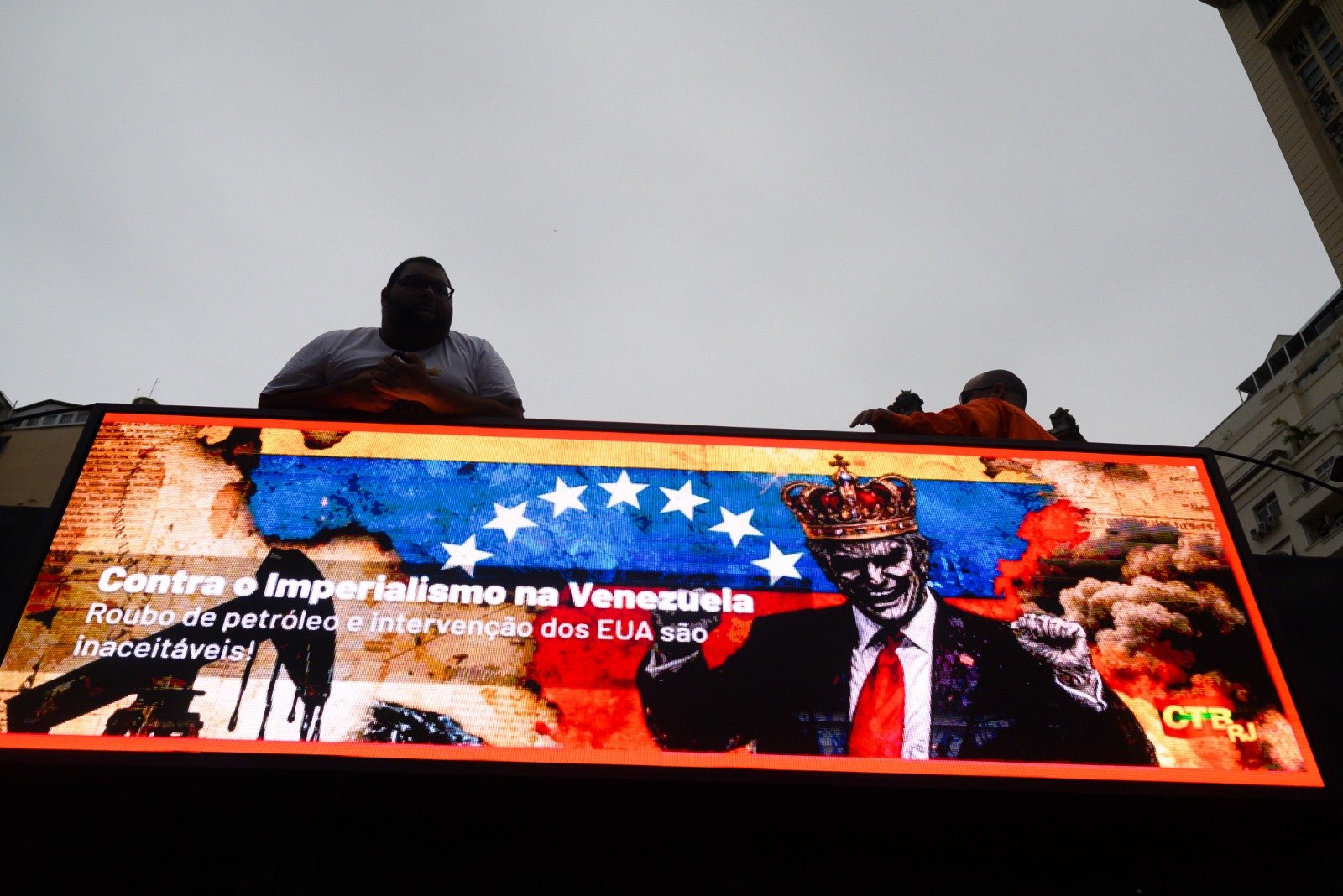
The U.S. operation that resulted in the arrest of Venezuelan president Nicolás Maduro was presented by Donald Trump as a decisive act in defense of liberty, democracy, and the rule of law. According to official statements, the action was framed as a law-enforcement measure grounded in longstanding U.S. indictments alleging drug trafficking and criminal conspiracy, combined with the claim that Venezuela’s electoral system lacked legitimacy. Yet the scale and nature of the operation — involving military force against a sitting head of state — immediately raised questions about international law, sovereignty, and motive.
Understanding this episode requires separating three distinct elements that are often collapsed into one narrative: the real hardships experienced by Venezuelans, the Trump administration’s stated justifications, and the political use of those justifications to assert power beyond U.S. borders.
Venezuela Is Not an Exception — Crisis Is a Global Condition
Venezuela, like countries everywhere, has experienced political polarization, economic volatility, contested elections, and outward migration. None of these phenomena are unique, nor do they inherently justify foreign intervention. Disputed elections, inflationary cycles, human-rights violations, and refugee flows are features of contemporary global politics, including in countries that regularly position themselves as arbiters of democracy.
International organizations including the United Nations, Human Rights Watch, and Amnesty International have documented concerns in Venezuela related to due process, treatment of political opponents, and institutional independence. Comparable reports exist for U.S. allies — and for the United States itself — where mass incarceration, police violence, voter suppression, and emergency powers have also drawn sustained criticism. The presence of governance failures does not produce a hierarchy of nations entitled to sovereignty and those deemed forfeitable.
Venezuela’s migration crisis must be understood in this same global context. Millions of Venezuelans have left the country over the past decade, settling primarily in neighboring Latin American countries such as Brazil. Their displacement reflects a convergence of economic contraction, sanctions, regional inequality, and political deadlock. Refugees are not evidence of a state’s moral failure; they are people navigating constrained choices under structural pressure. They deserve protection, dignity, and serious policy responses, not rhetorical deployment as symbols of disorder.
Despite frequent references by commentators to migration, refugees were not the central legal or operational justification offered by the Trump administration for the arrest of Maduro. Official statements emphasized two claims above all others; Drug trafficking and criminal conspiracy, based on U.S. indictments alleging that Venezuelan state actors facilitated narcotics flows; and Electoral illegitimacy, with the U.S. refusing to recognize recent Venezuelan elections as meeting international standards.
These claims were framed as threats to U.S. national security and regional stability. Whether the evidence supports such extraordinary action remains contested. Public intelligence assessments have not conclusively demonstrated that Venezuela plays a uniquely central role in transnational drug trafficking relative to other countries in the region. Nor does the existence of disputed elections — a global phenomenon — constitute legal grounds for unilateral military enforcement.
What matters analytically is not whether these concerns are entirely fabricated, but how they are elevated, isolated, and weaponized.
Liberty-Washing as a Political Technique
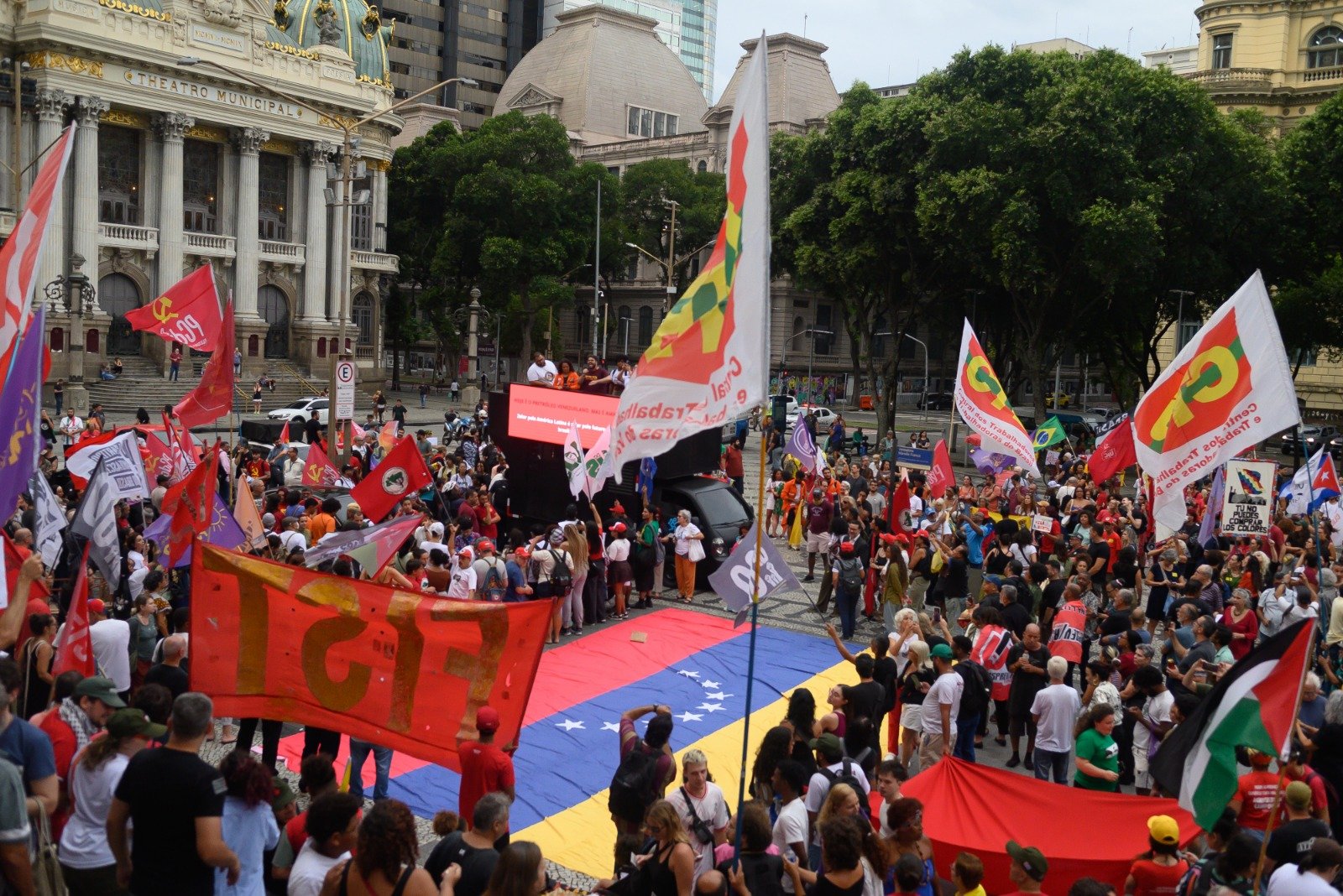
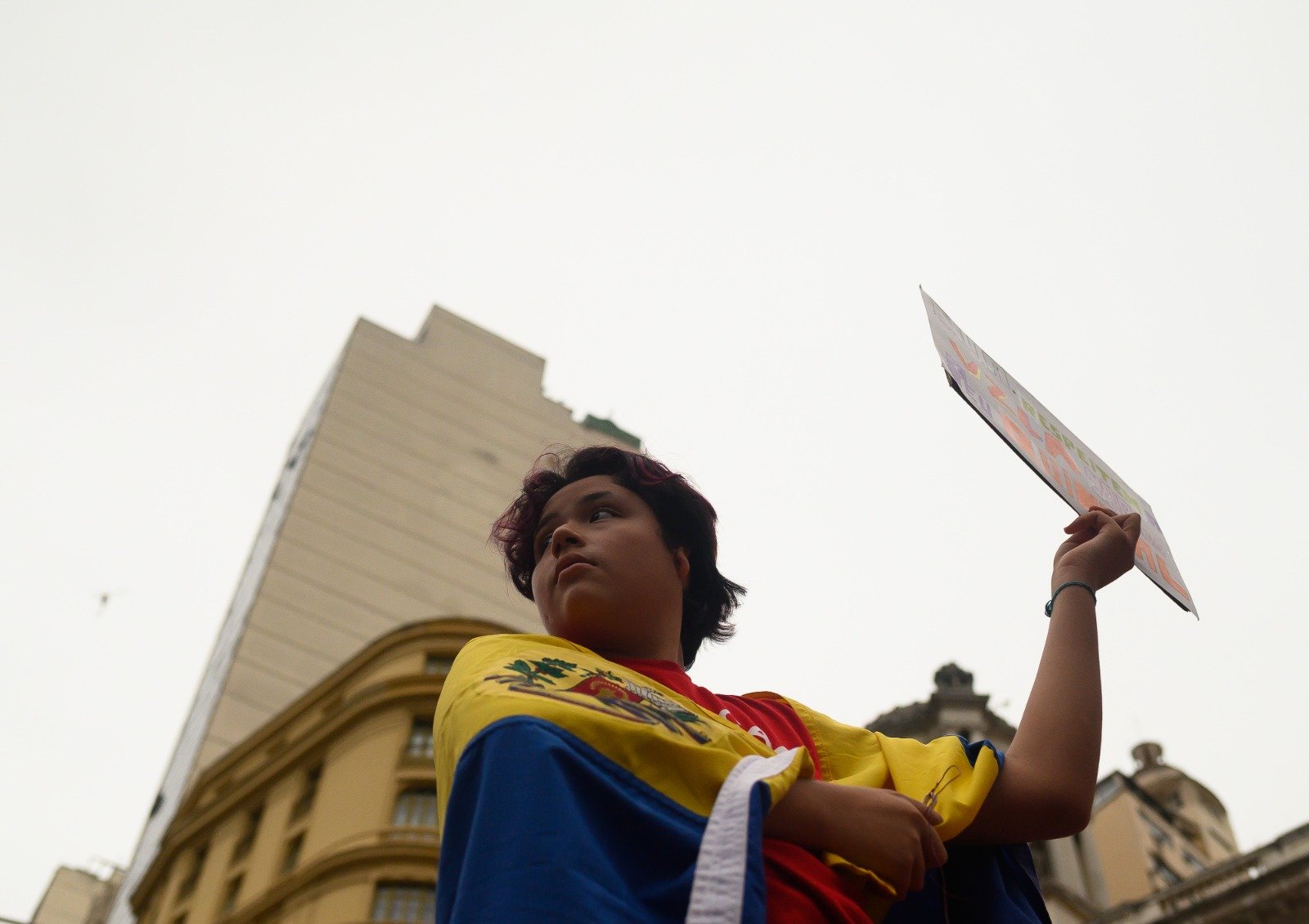
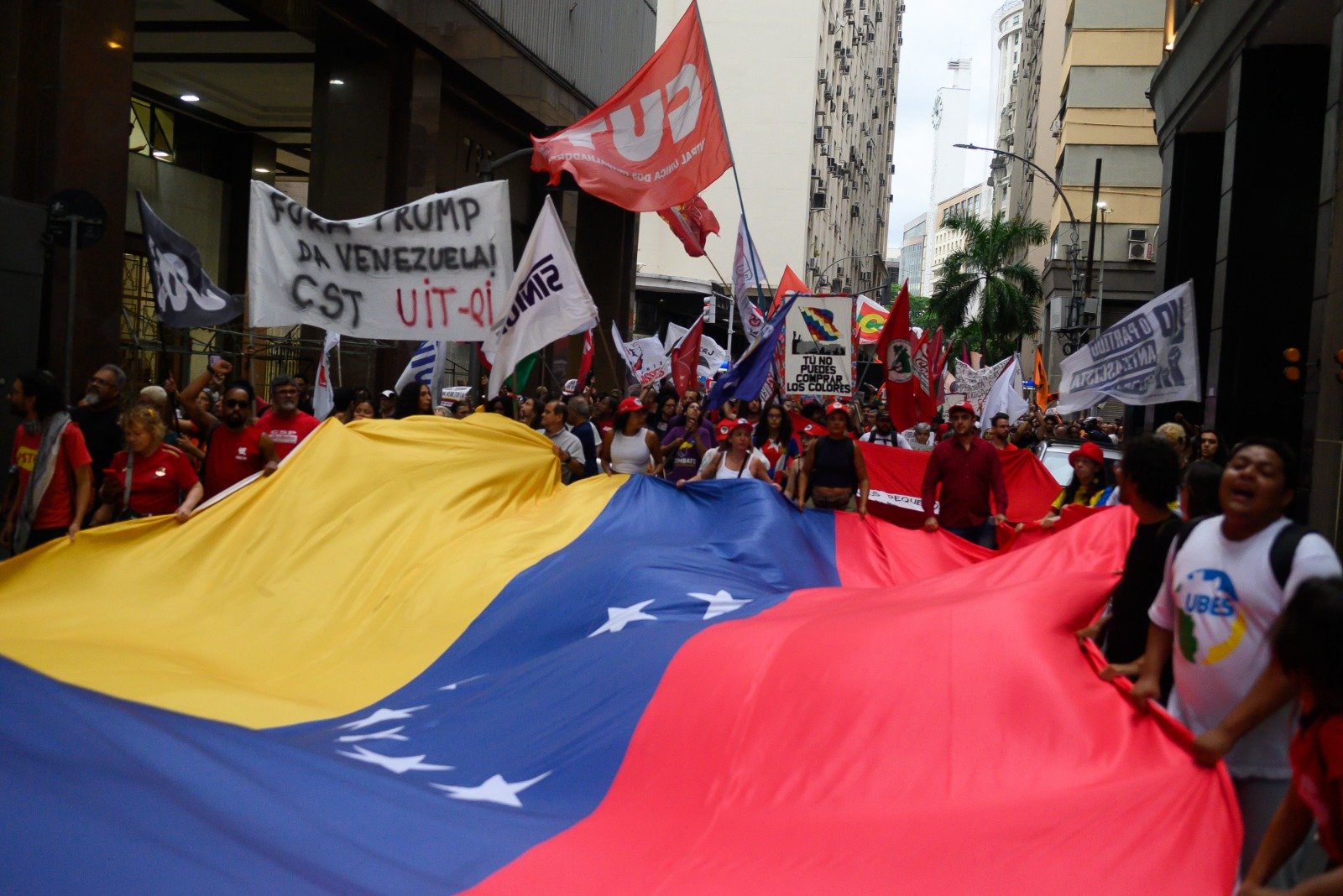
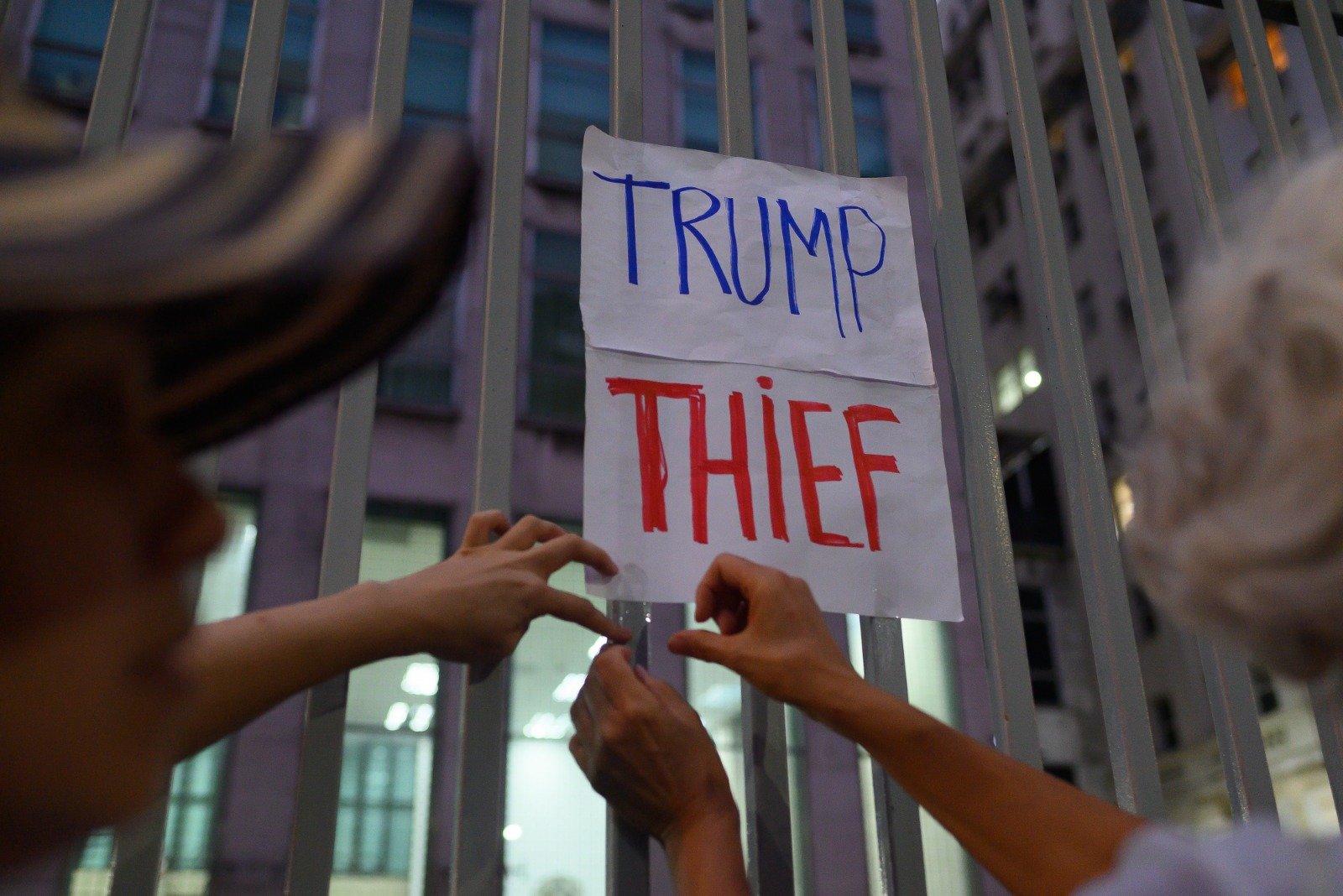
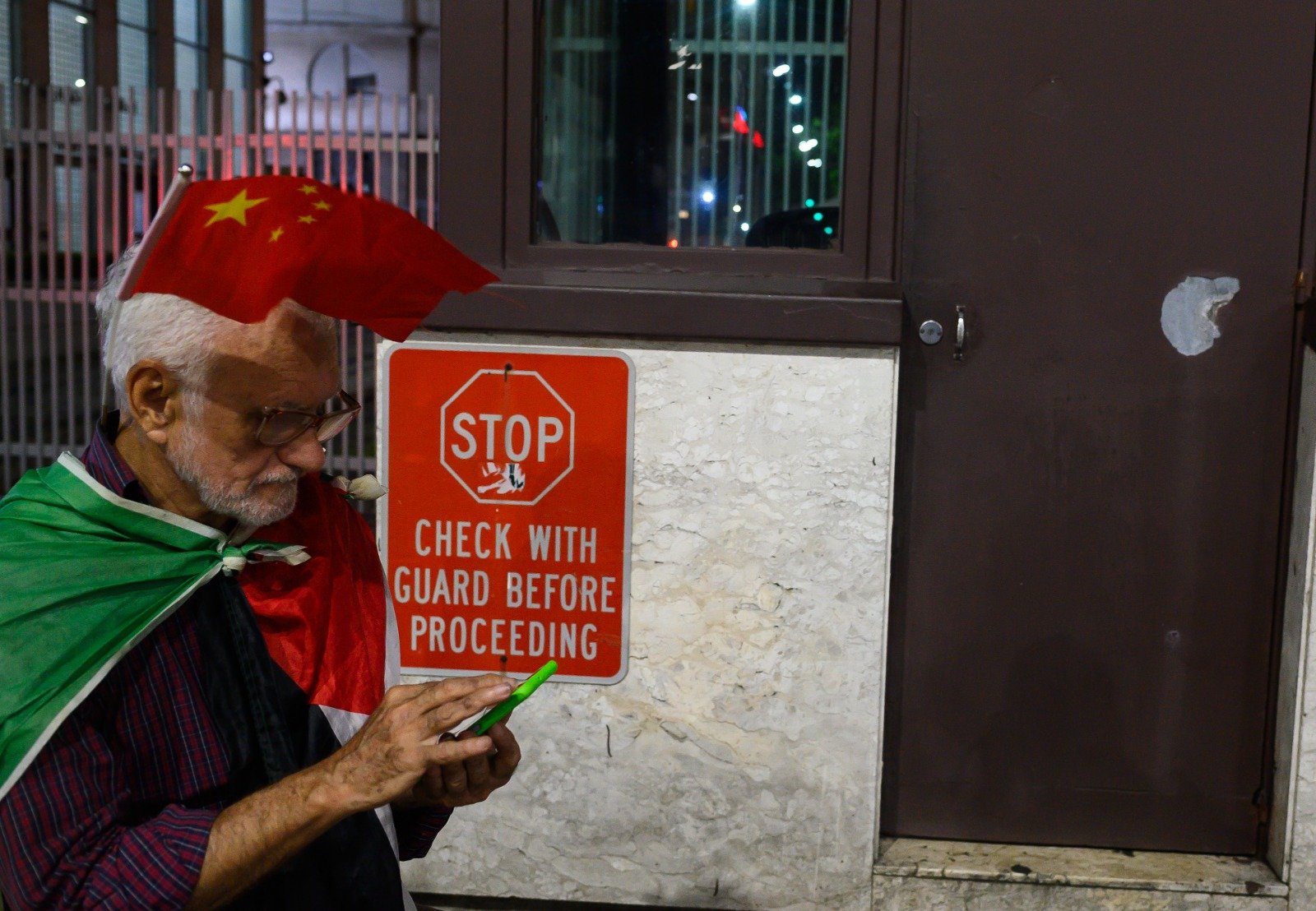
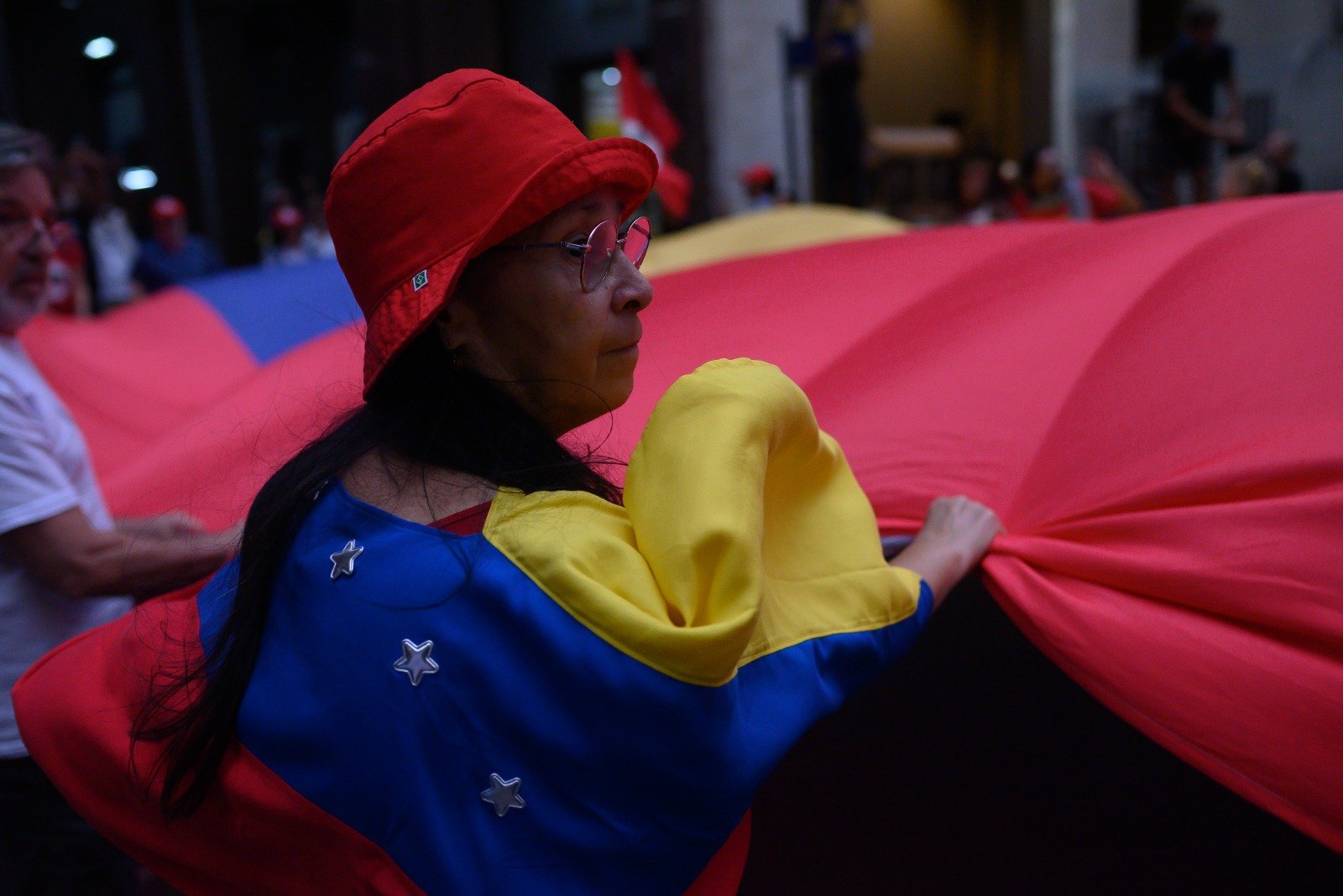
This strategy can be best described as liberty-washing. It refers to the selective invocation of liberty, democracy, and rule-of-law language to legitimize coercive foreign action, while disregarding sovereignty, international legal constraints, and comparable liberties at home. Like pinkwashing or greenwashing, it does not depend on utter falsehoods, but on a selection of truths deployed for a hegemonic political agenda.
In this case, allegations of drugs and electoral irregularities are transformed from policy challenges into moral authorization. The language of “liberation” substitutes for diplomacy; criminal indictment replaces multilateral process. Liberty becomes something the United States claims the authority to administer, rather than a condition exercised by peoples themselves.
This logic explains a central contradiction where Trump presents himself as a global defender of liberty abroad while openly contesting electoral legitimacy, judicial independence, and press freedom domestically. Liberty-washing resolves that contradiction by turning liberty into a possession of power, not a universal principle.
The Nobel Peace Prize and Personalization of Foreign Policy
Trump’s fixation on the Nobel Peace Prize further illuminates how liberty-washing operates at the level of personal ambition. Reports indicate that Trump viewed the prize as validation of his global stature, and that tensions emerged when Venezuelan opposition leader María Corina Machado received the award instead. Machado’s recognition, rooted in nonviolent political struggle, did not translate into full U.S. backing, reportedly because it disrupted Trump’s own claim to peacemaking authority.
This personalization matters. When foreign policy becomes a stage for symbolic competition, democratic actors who do not align with that symbolism are sidelined. Liberty-washing thus does not empower Venezuelan civil society; it centers legitimacy in Washington.
Trump’s rhetoric following the operation suggested more than prosecution. Statements about overseeing Venezuela’s “transition” or determining acceptable political outcomes echoed a broader posture evident elsewhere — including in Gaza — where sovereignty is treated as provisional, revocable by superior force.
In both cases, territory is discussed less as the political space of a people than as a security problem to be managed. Law, liberty, and order are invoked not to restrain power, but to rationalize its expansion. This is not an anomaly; it is a familiar logic of intervention reframed in contemporary language.
Refugees Deserve Protection, Not Narrative Use
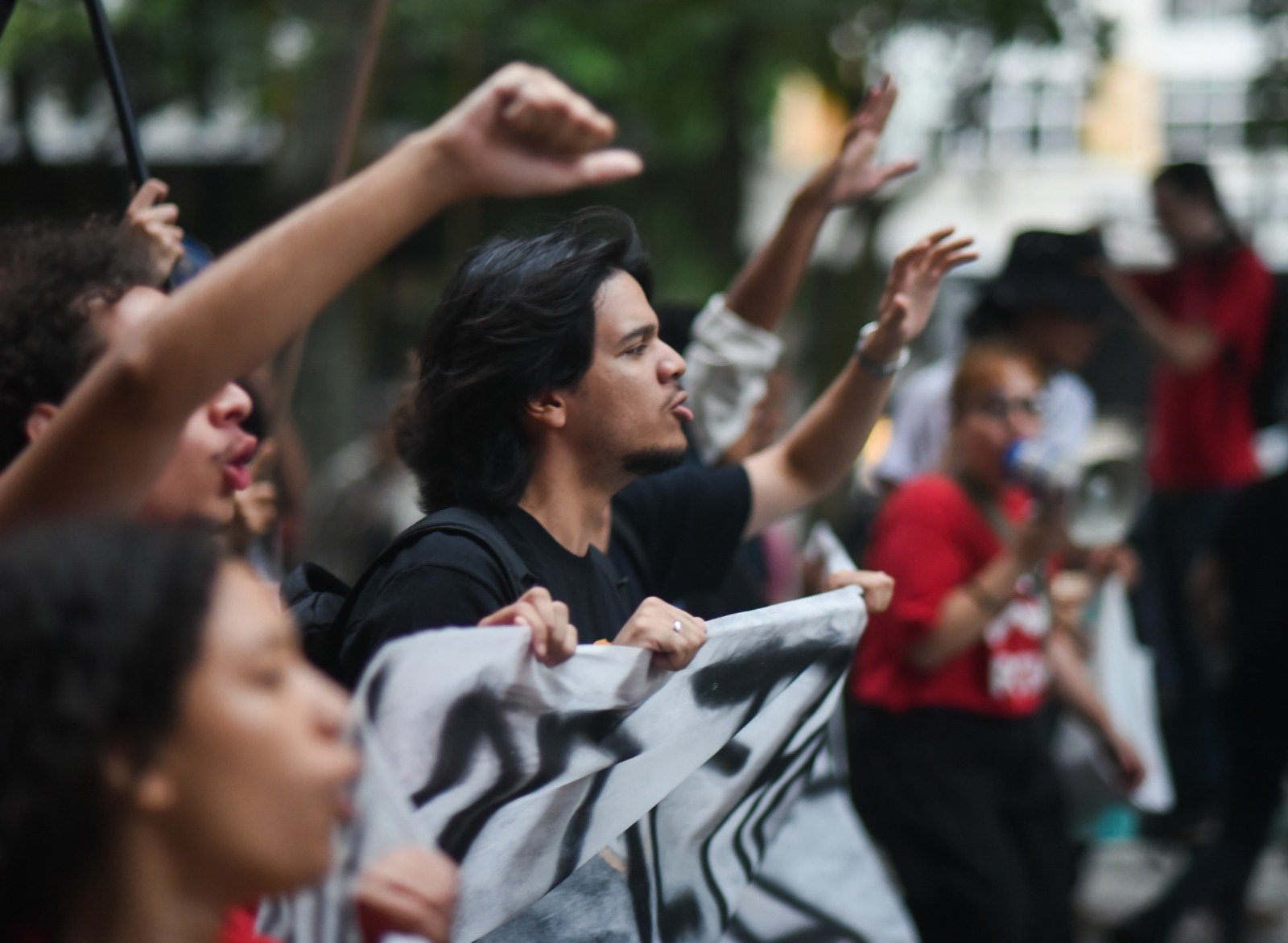
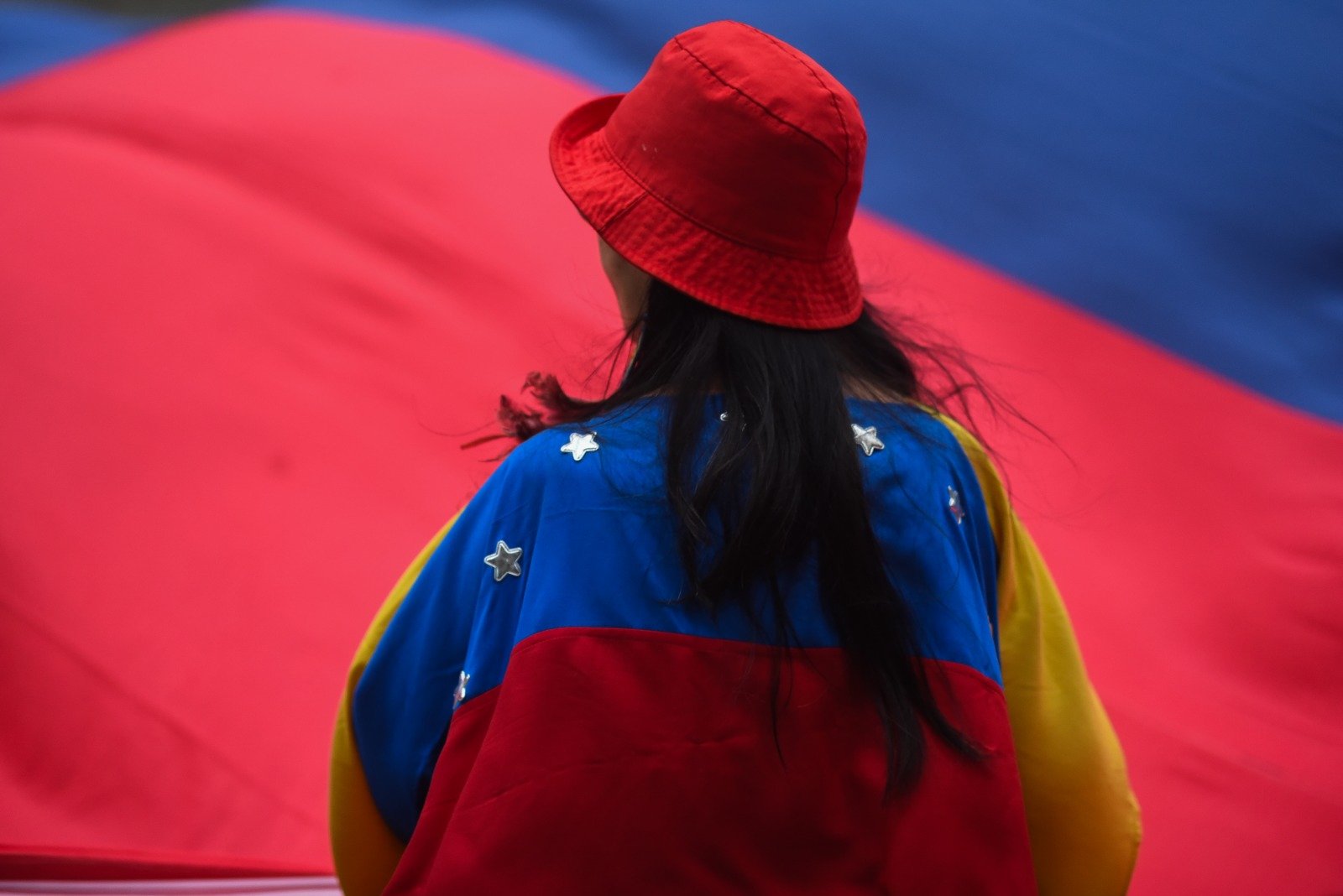
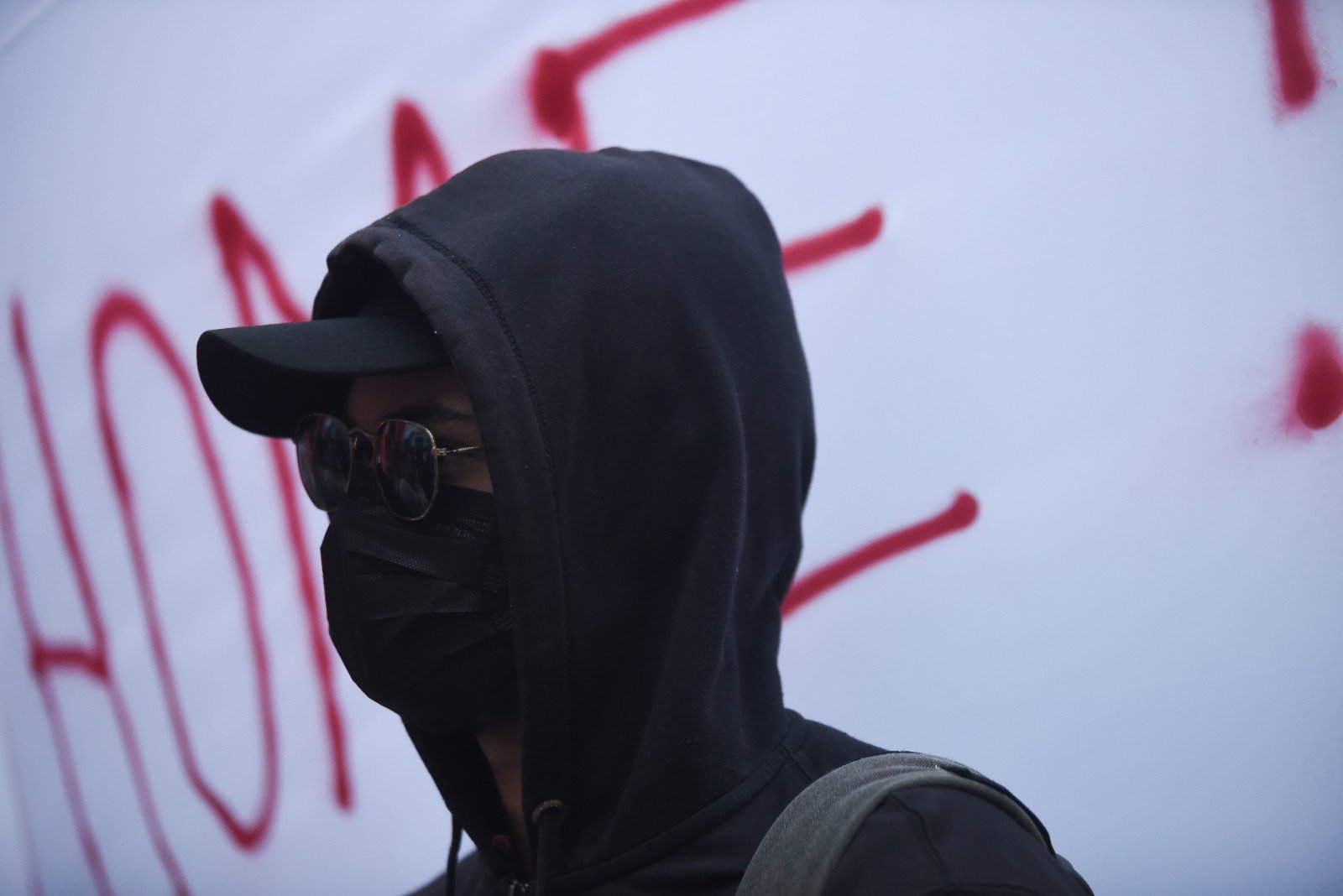
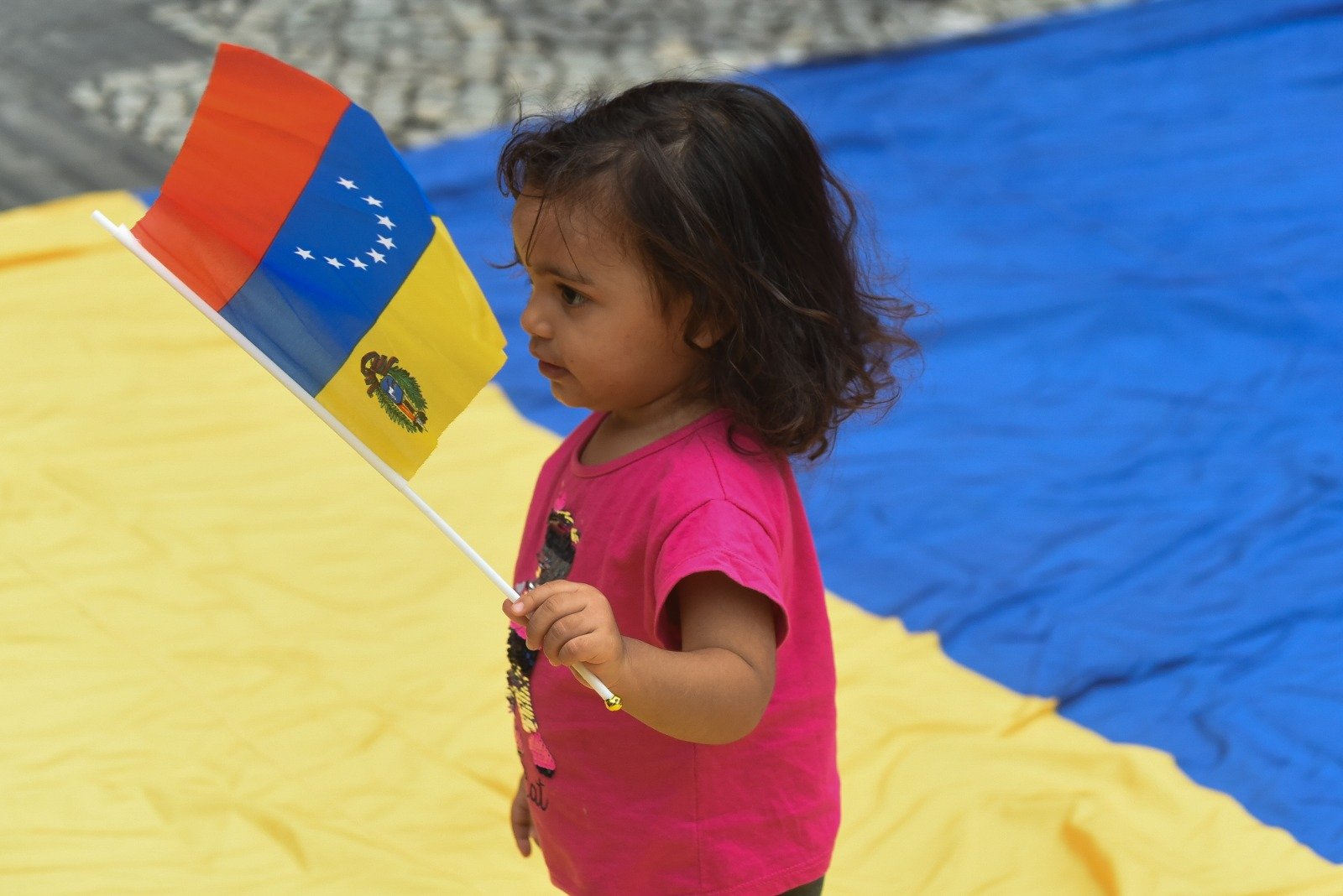
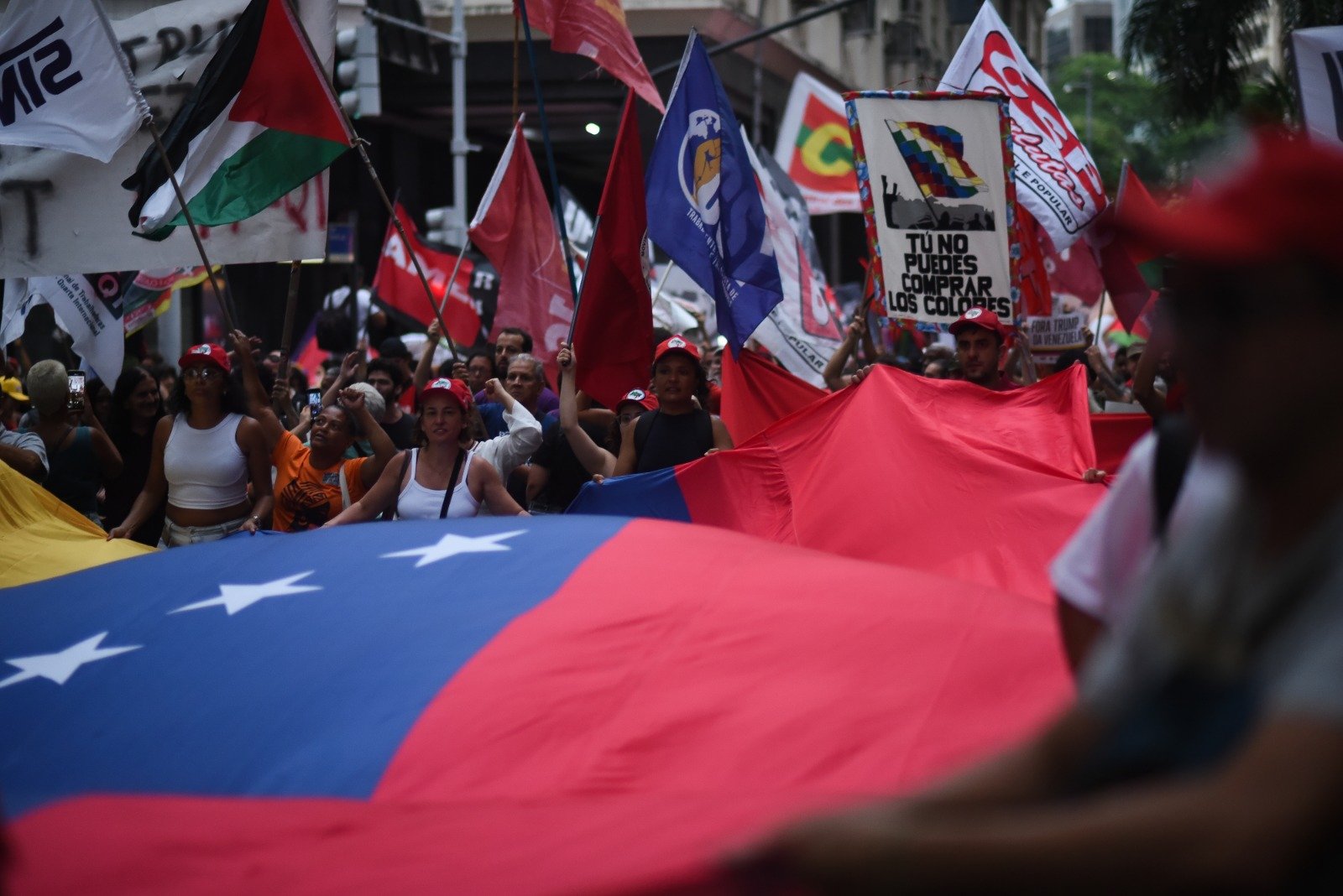
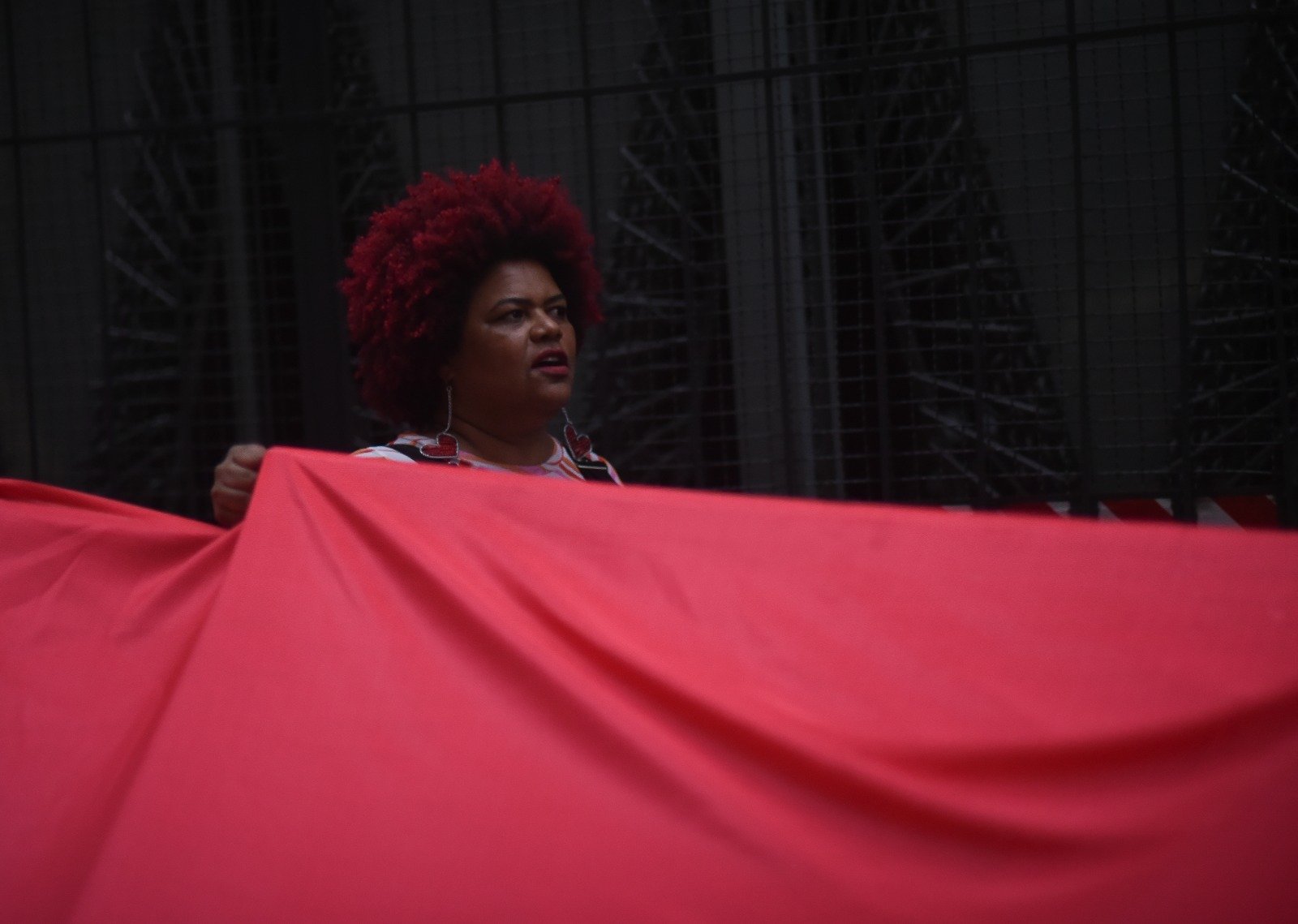
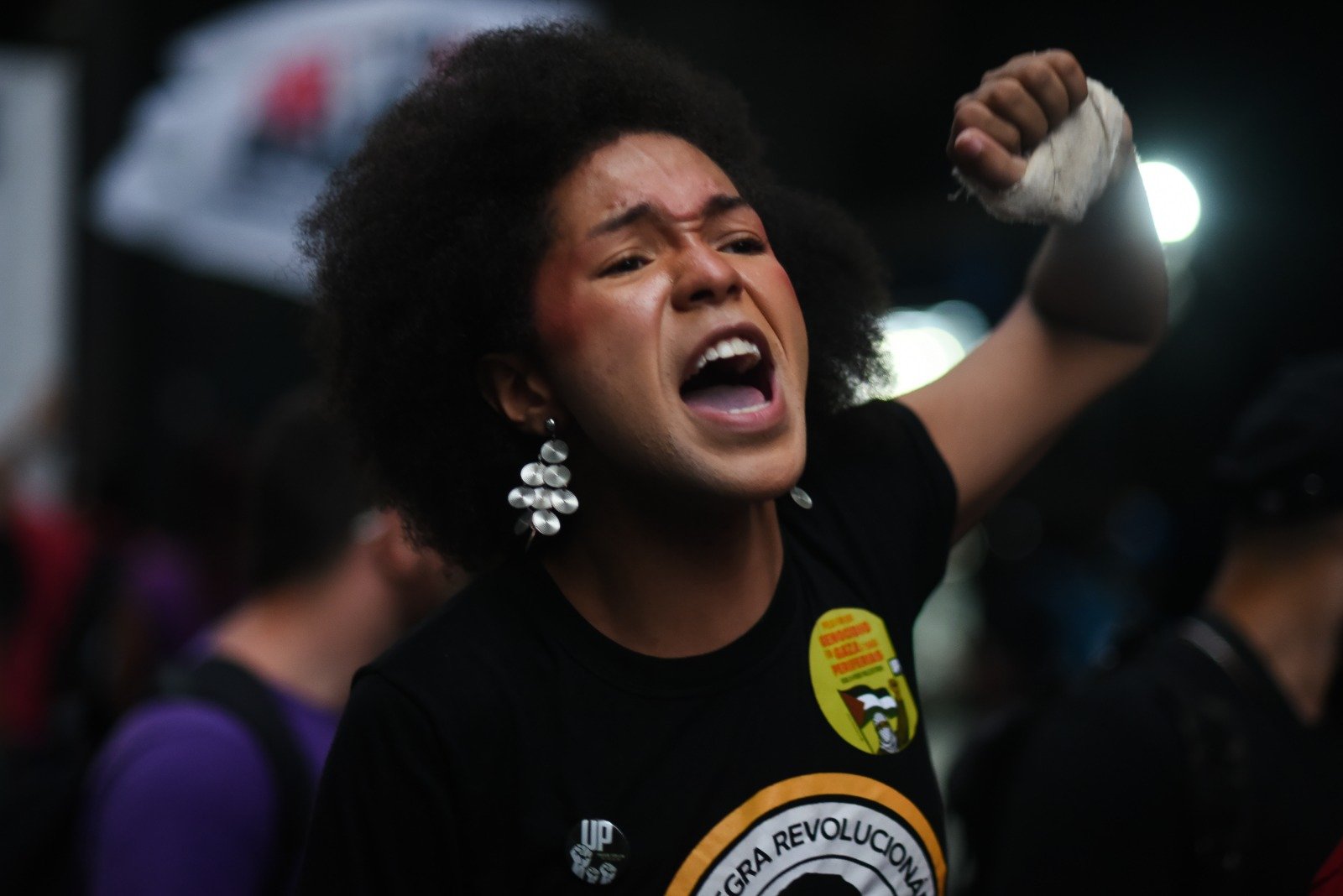
Crucially, Venezuelan refugees should not be folded into this logic at all. Their displacement is not a justification for force; it is an indictment of global failure — including sanctions regimes, regional inequality, and inadequate international support. Respecting refugees means resisting their use as moral leverage in geopolitical contests.
Liberty-washing collapses refugees into symbols. As proof of state failure, justification for intervention, or backdrop for strategic gain. A serious approach would instead foreground asylum rights, regional cooperation, and long-term support without militarization.
The arrest of Nicolás Maduro doesn’t reveal much about Venezuela’s supposed exceptional dysfunction, but it does reveal much about how power operates when wrapped in the language of liberty. Trump’s justifications rely on selectively amplified concerns of drugs, elections and governance, laundered into moral authority for unilateral action.
Liberty-washing instrumentalizes suffering. And in doing so, it risks turning crises into precedents for a world in which sovereignty is conditional, law is optional, and freedom is something imposed rather than lived.
Venezuelans — including those who have fled — deserve better than that.
Mirna Wabi-Sabi

Mirna is a Brazilian writer, editor at Sul Books and founder of Plataforma9. She is the author of the book Anarcho-transcreation and producer of several other titles under the P9 press.